I enjoy the look and feel of cities, especially biking around looking at buildings. I have a special relationship with far away New Orleans but Baltimore is sometimes my easier-to-get-to substitute. My relationship with Baltimore is strictly platonic. I have real friends in New Orleans but I know essentially no one in Baltimore.
I grew up in Virginia Beach, a suburb of Norfolk VA. My father and grandmother were both born in Norfolk, him in 1911, her in 1881. To Norfolkians of a certain age, say, those who were adults before about 1950, Baltimore was the Big City; the nearest somewhere sophisticated. Until 1962 there was an overnight ocean-style steamer called The Old Bay Line, sailing up the Chesapeake Bay from Norfolk to Baltimore. My parents and sister Jane accompanied me on one of its last voyages. Dad had to go to Baltimore to pick up a used car and we were invited aIong. I was six years old. My Dad described a voyage he had taken many times.
“You would board late in the afternoon, have a dinner on the boat, go to bed, and wake up in Baltimore!”
New Orleans is an amazingly hot and humid city but so can be Baltimore! My father’s older sister Beeba had specific pre-air conditioning instructions: How to Sleep in Baltimore in the Summertime.
Put on your nightgown. Take a cold bath with the nightgown on, then get into bed still wearing the cold wet nightgown.
A few days ago unusually cooler but sunny weather was predicted. I drove up to Baltimore to bicycle around, the Bike Friday bicycle in the back of our Ford Escape Hybrid. From Chapel Hill NC without traffic delays the entire drive can be done in a little over five hours. Baltimore is forty miles north of the now megalopolis Washington DC and driving through the DC mess on I-95 and its iterations is exhausting. This time the drive took about seven hours. Fredericksburg VA is sixty miles south of DC and everything north of Fredericksburg was mostly stop-and-go.
On a website called SpotHero I had booked an underground Baltimore parking space for 48 hours. It was in a newer condo complex near M&T Stadium, where the NFL Ravens play, on the edge of a neighborhood called Federal Hill. My New Orleans friend Candace was likely in town, in that neighborhood, visiting her daughter. I chose to stay a loner. I apologize.
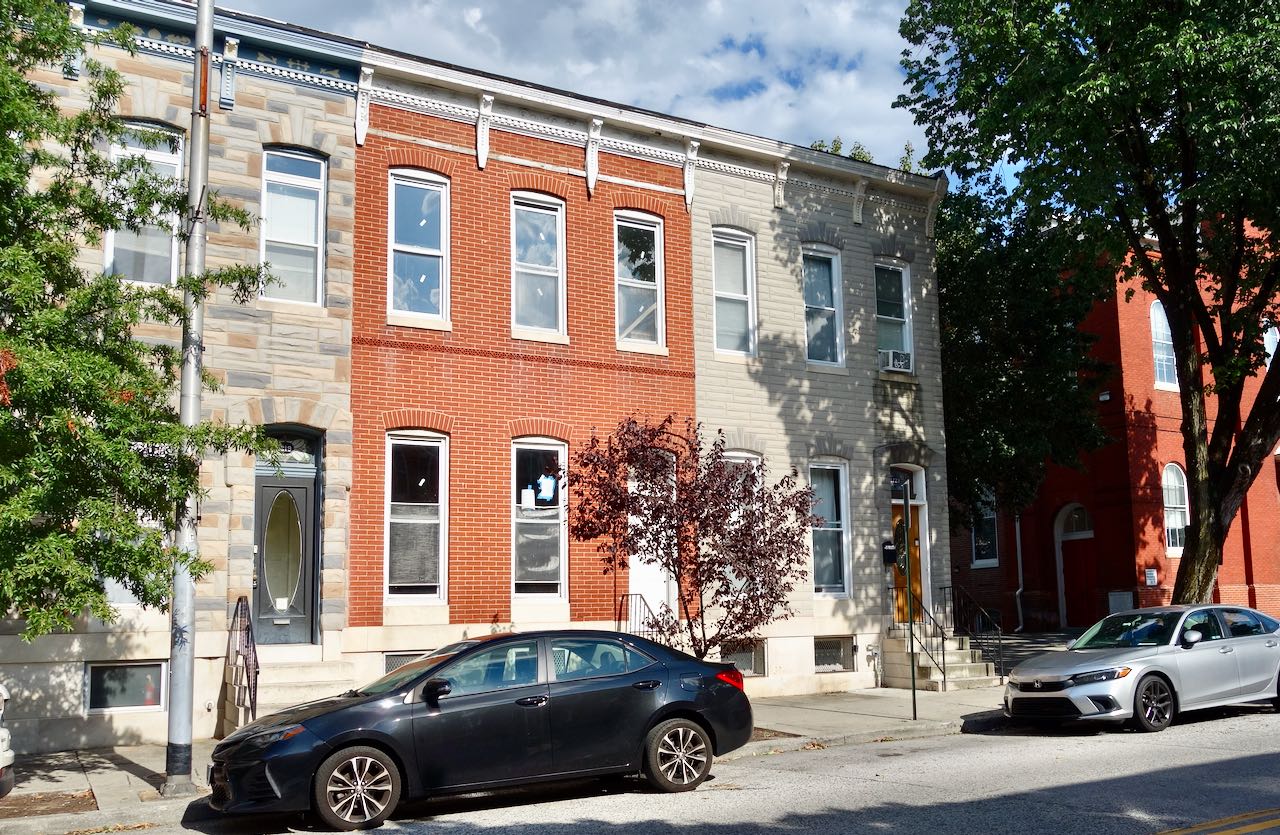
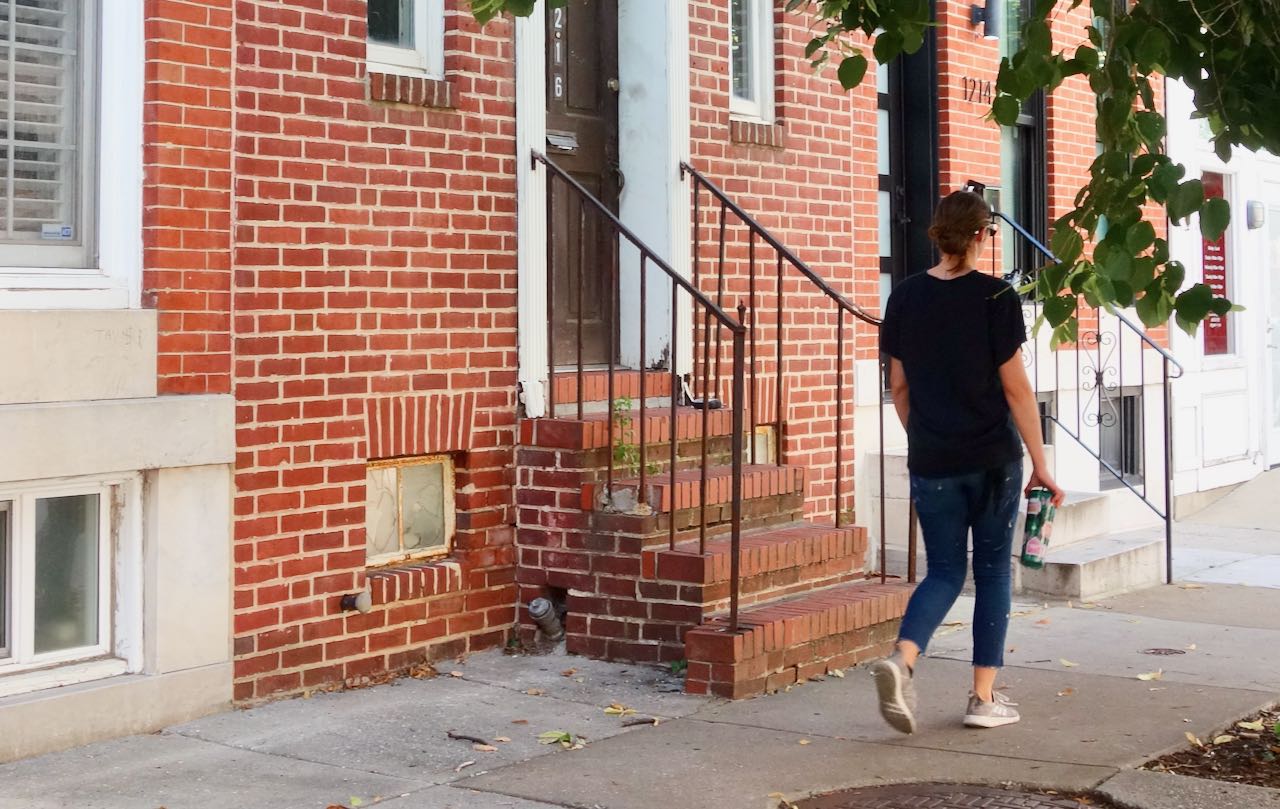
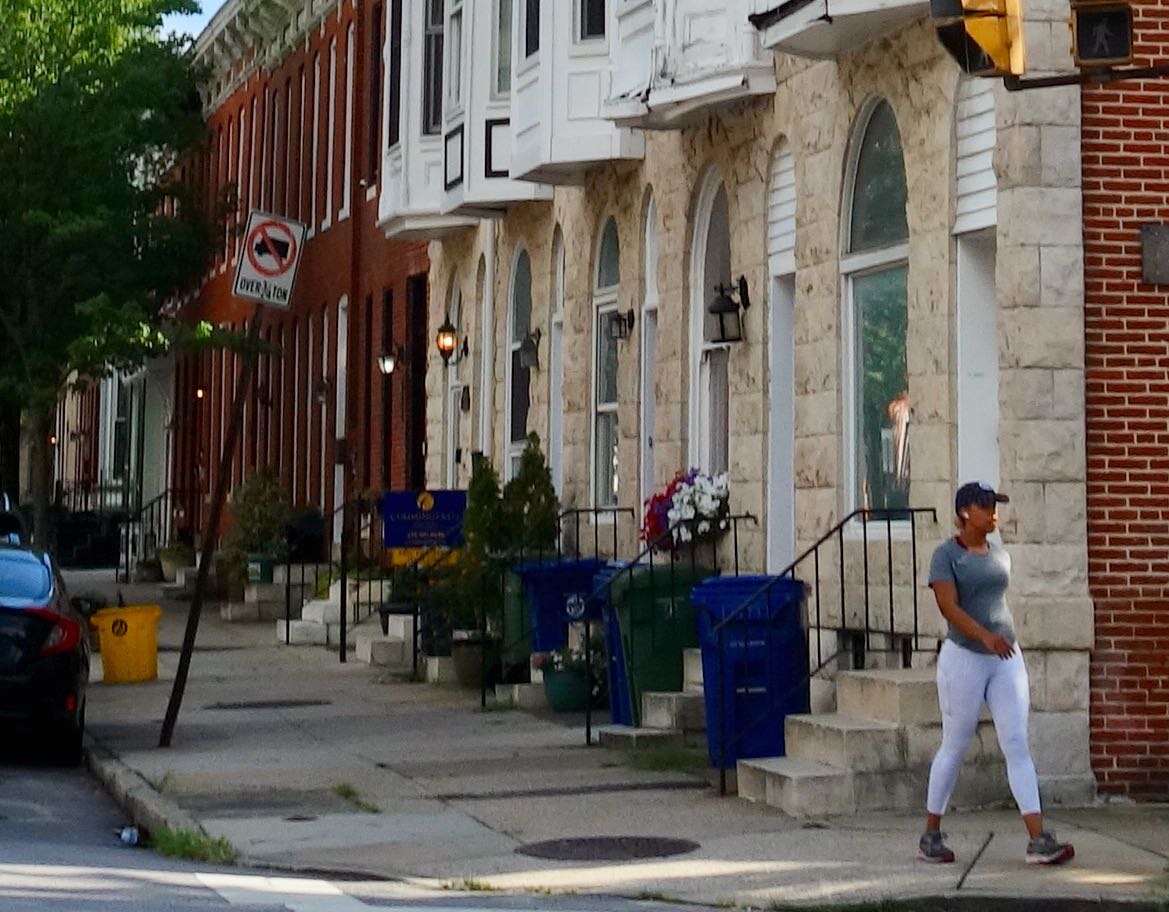
Both New Orleans and Baltimore have distinctive municipal residential architecture. The New Orleans style is genuinely beautiful. Baltimore’s is more of an acquired taste. My Dad described it as “red brick houses with white stone steps.” Supposedly you could see housewives out scrubbing their marble steps, at least back in the day. In the late afternoon I started cycling, first around Federal Hill. By Baltimore standards these row houses are small, a more useful size for modern families.
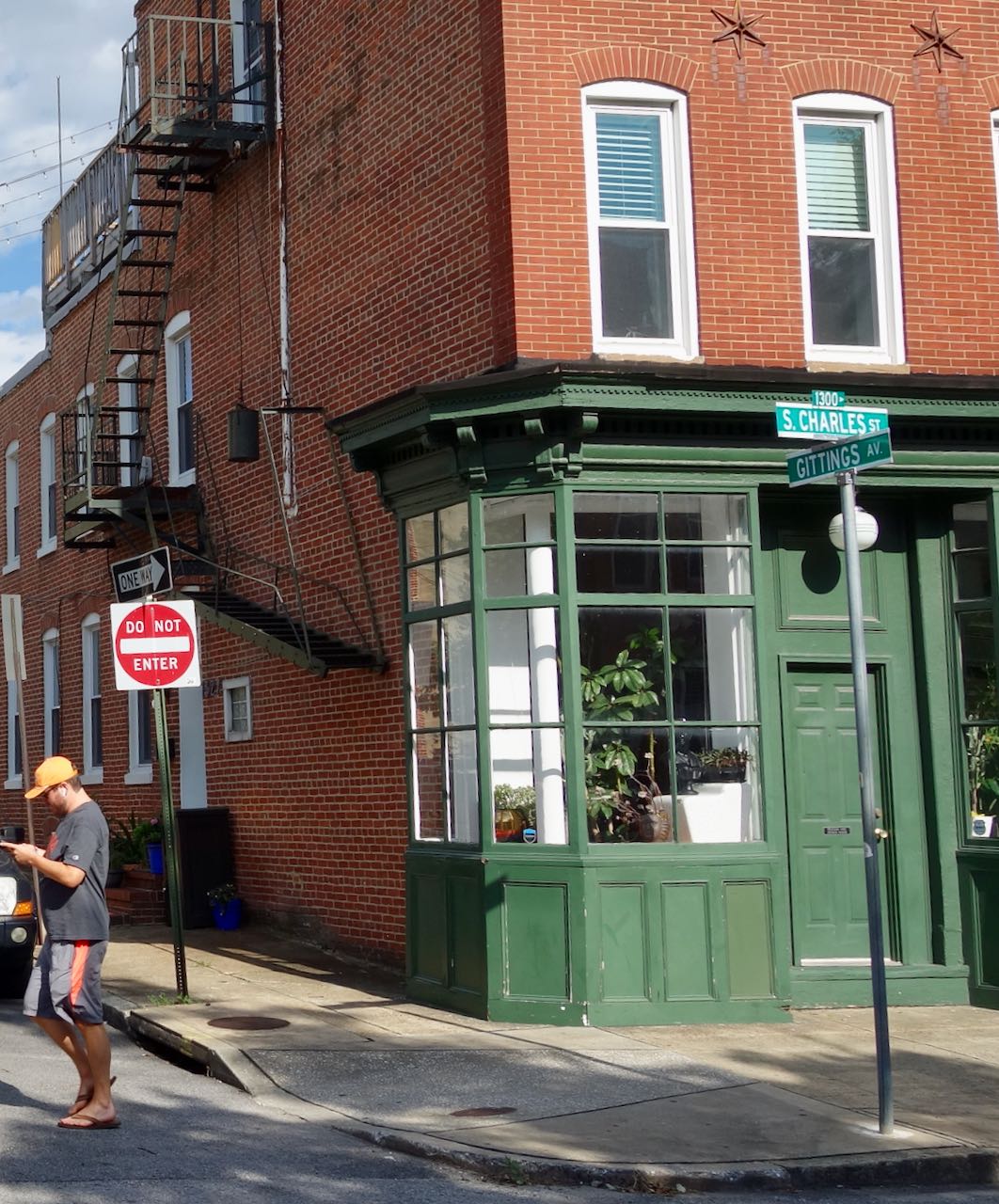
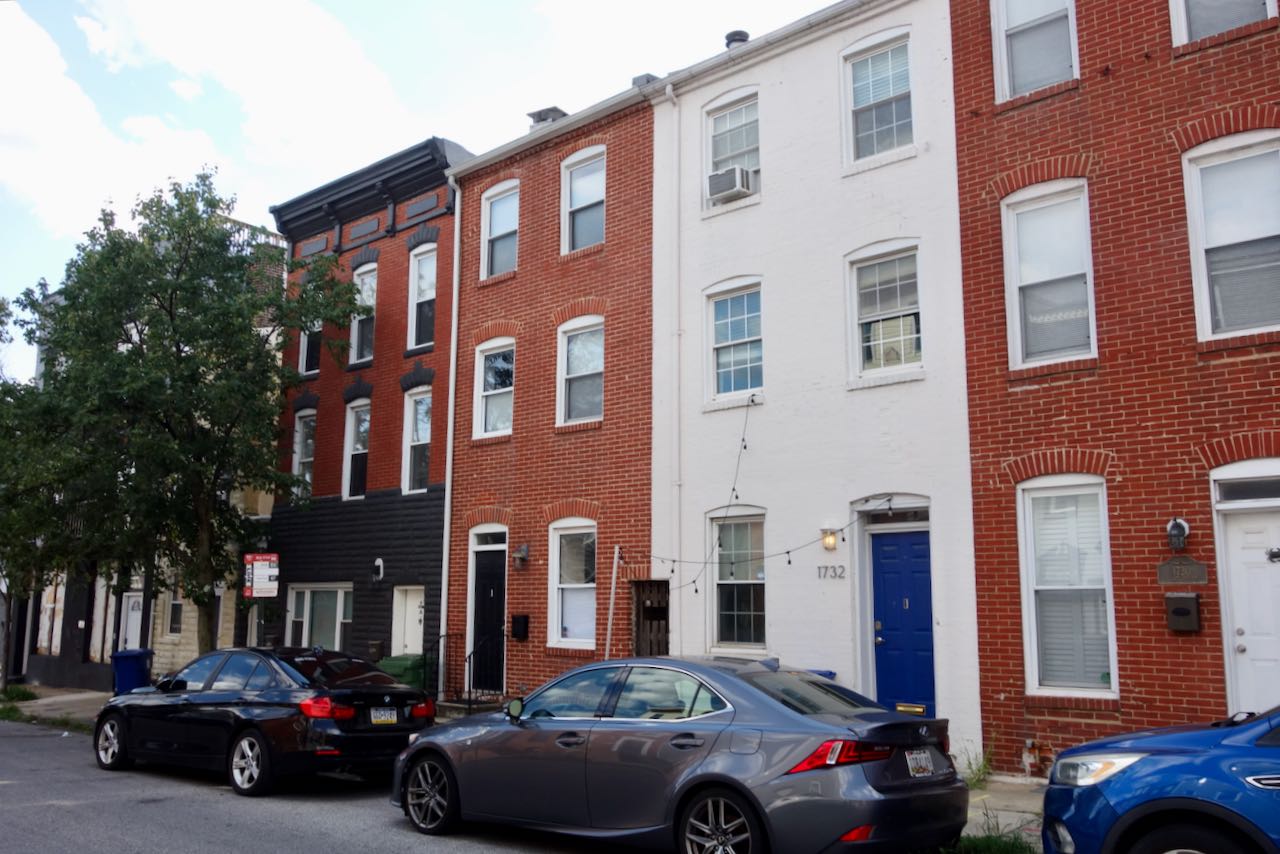
I needed to pee. At about 5:00 PM I stopped at the bar below. Might as well get a beer! I talked to the young bartender. She had worked on a nursing degree but had dropped out. She liked working as a bartender but thought she had good science skills and the medical industry had more of a future. I paternally suggested she try community college training in a field like anesthesia technician.

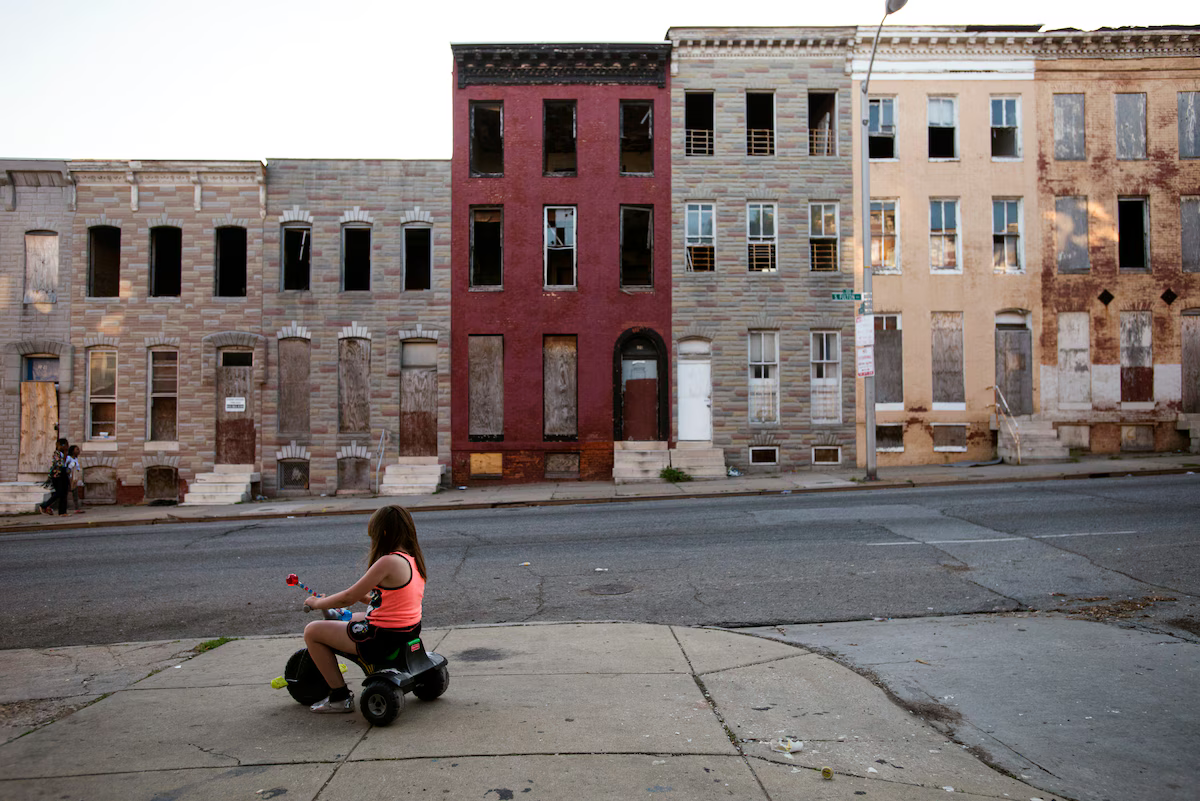
The bittersweet reminder of the architecture of Federal Hill is that here it is lovingly maintained. Other parts of town are not so lucky. Federal Hill is geographically closer to DC and physically isolated on a point of land south of downtown. While cycling around Baltimore these two days I repeated a strategy someone told me years ago, to stay in what that person called the “Aisle of Denial.” When cycling north / south from downtown, stay within just a few blocks on either side of the parallel main streets Charles Street, Calvert Street, and St. Paul Street. To go farther from that section might invite trouble, especially the neighborhood to the left of the Aisle called West Baltimore or right of the Aisle; East Baltimore. Both areas have block after block of abandoned housing, and some of the highest rates of drug deaths in the nation. I only like to bicycle where I feel safe, and there are huge parts of Baltimore that I have never visited. Below is a copyrighted Washington Post photo. That article says there are between 16,000 and 45,000 abandoned houses in Baltimore. If, like me, you fall into a habit of only going in certain areas you can guiltily “forget” that such areas exist.
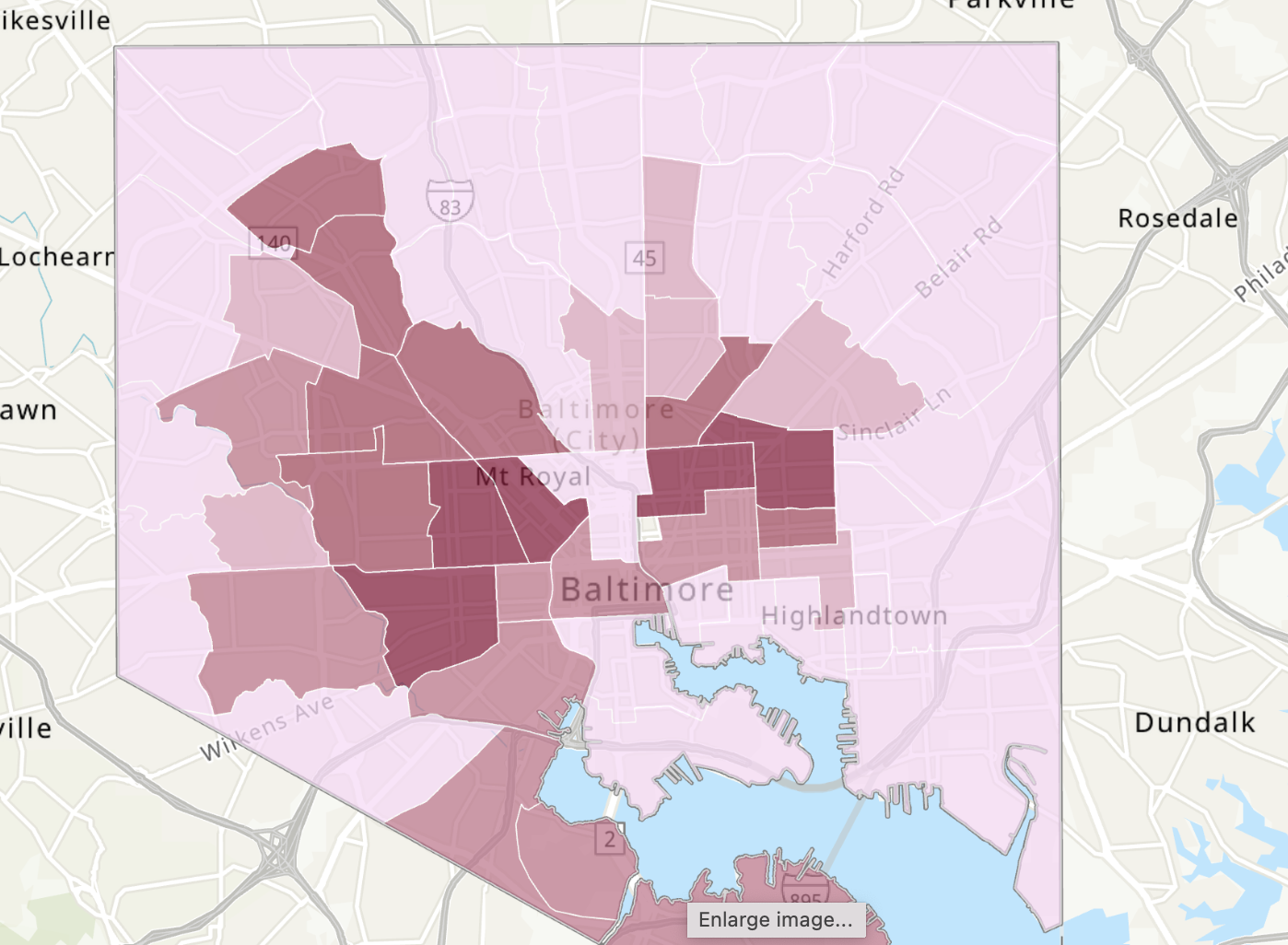
A Federal Reserve website has a map indicating in dark the highest level of abandoned housing. Federal Hill is the light colored peninsula at the bottom center. The next day I would be cycling to the industrial area on the lower right. The Aisle of Denial is the lightly colored area spreading north from downtown. The top of that area, around the I-83 sign, is Johns Hopkins University. Most rich people’s houses are further north of that.
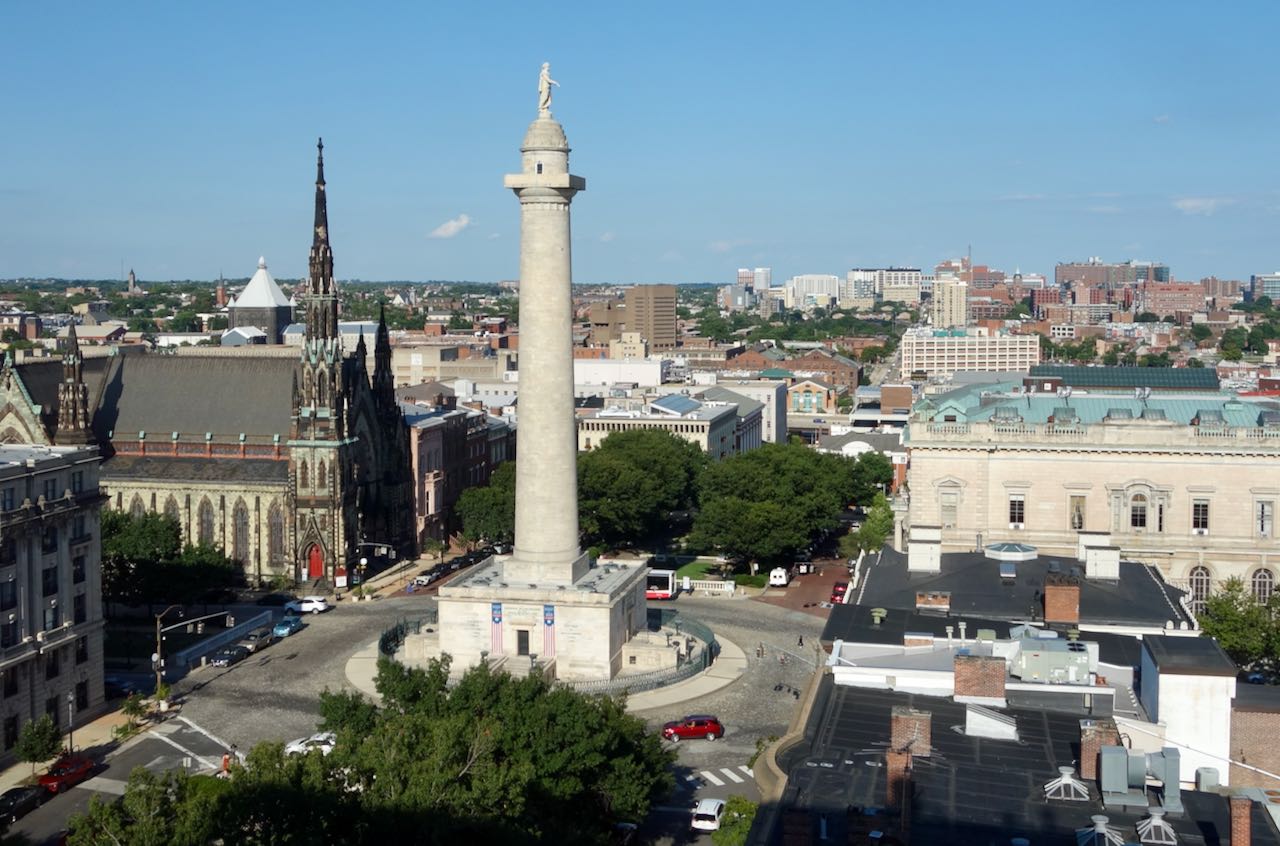
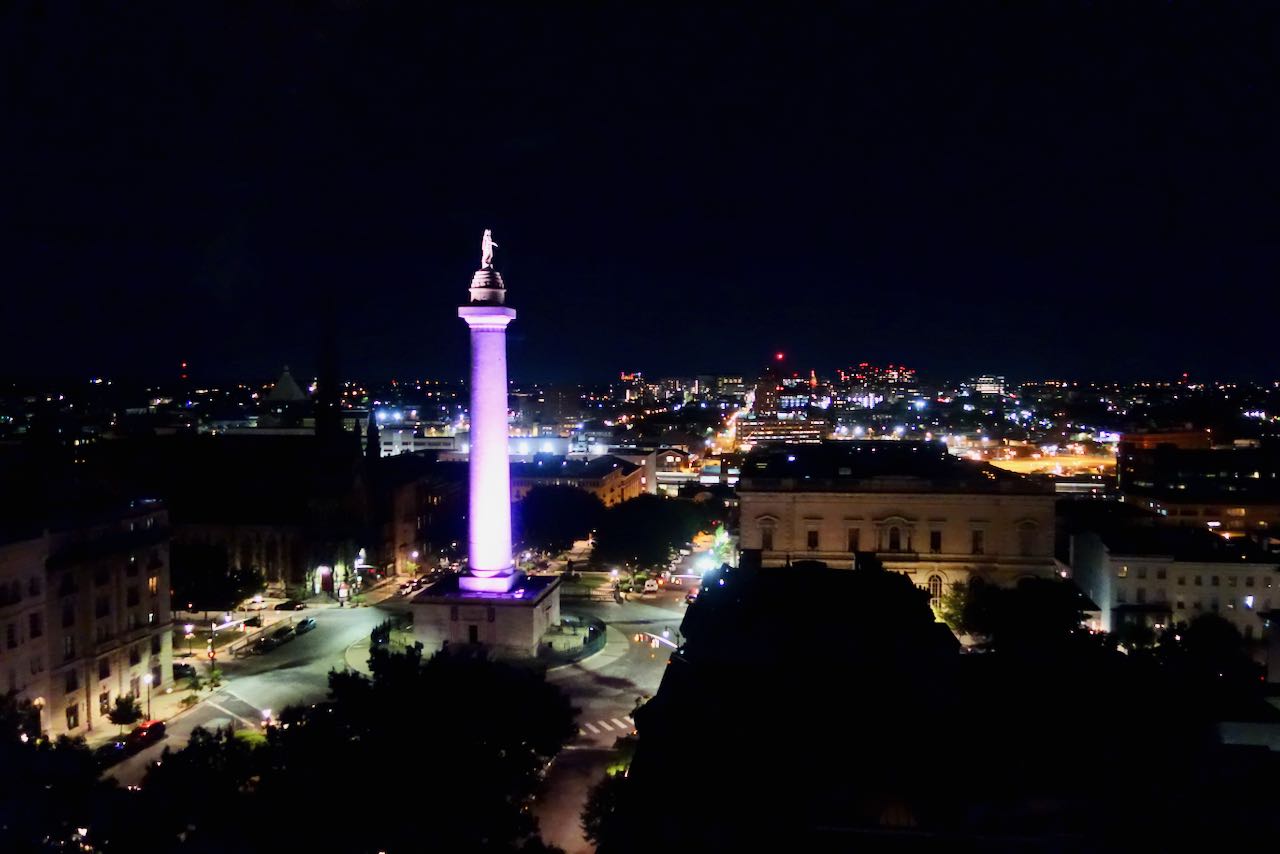
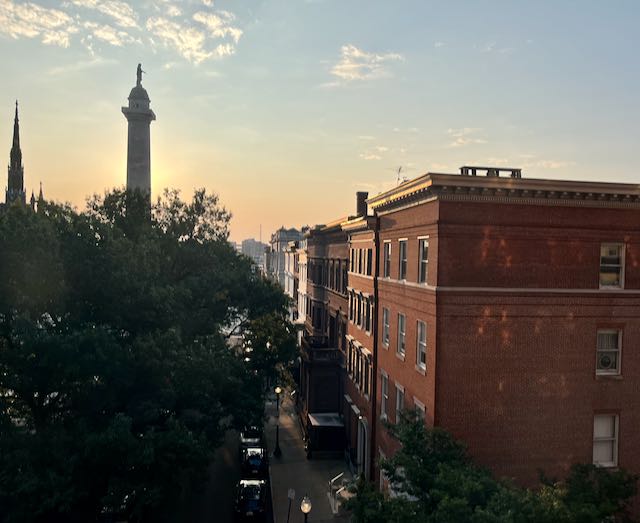
I cycled several miles uphill through downtown and onward to my hotel. In any other city it would have been called Midtown; here it is called Mount Vernon. My hotel room looked out over a Washington Monument built 1815-1829, decades before the now more famous Washington Monument in DC. Row houses of the nineteenth century elite face the square.
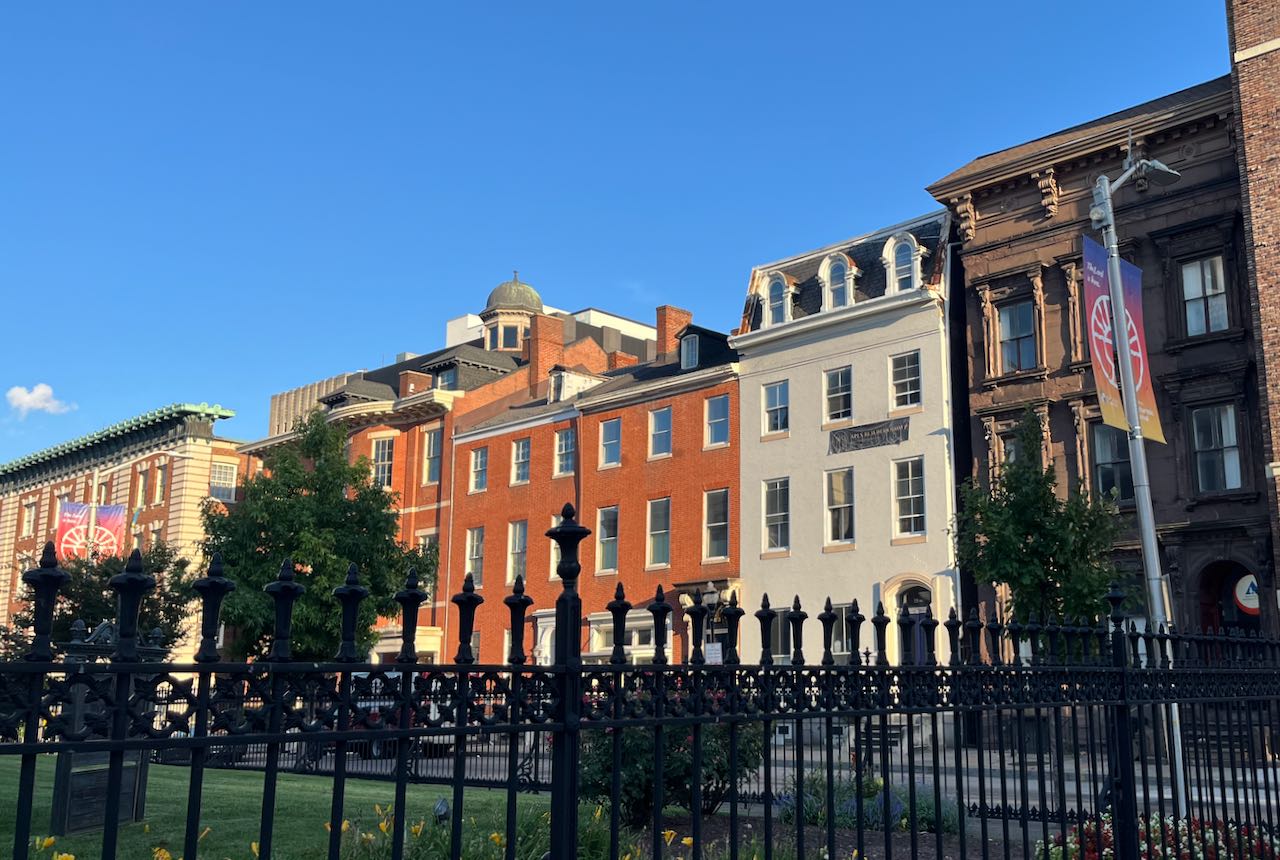
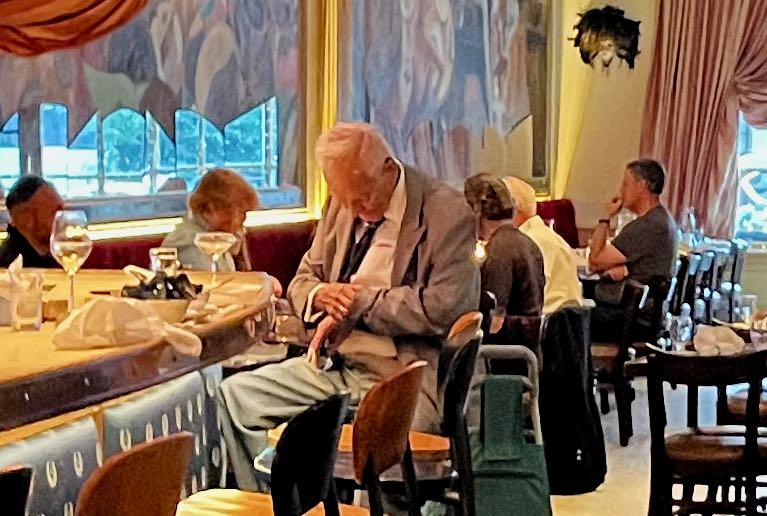
I took the bicycle up into my room. Somewhat later I walked a few blocks to the Italian restaurant Sotto Sopra, on this Monday night about half full. I found a seat at the bar two spaces down from a colorful guy who looked at least ninety years old, staring at his pink cocktail glass. On this summer day he was perfectly dressed in a pressed suit and tie. He gave me menu recommendations.
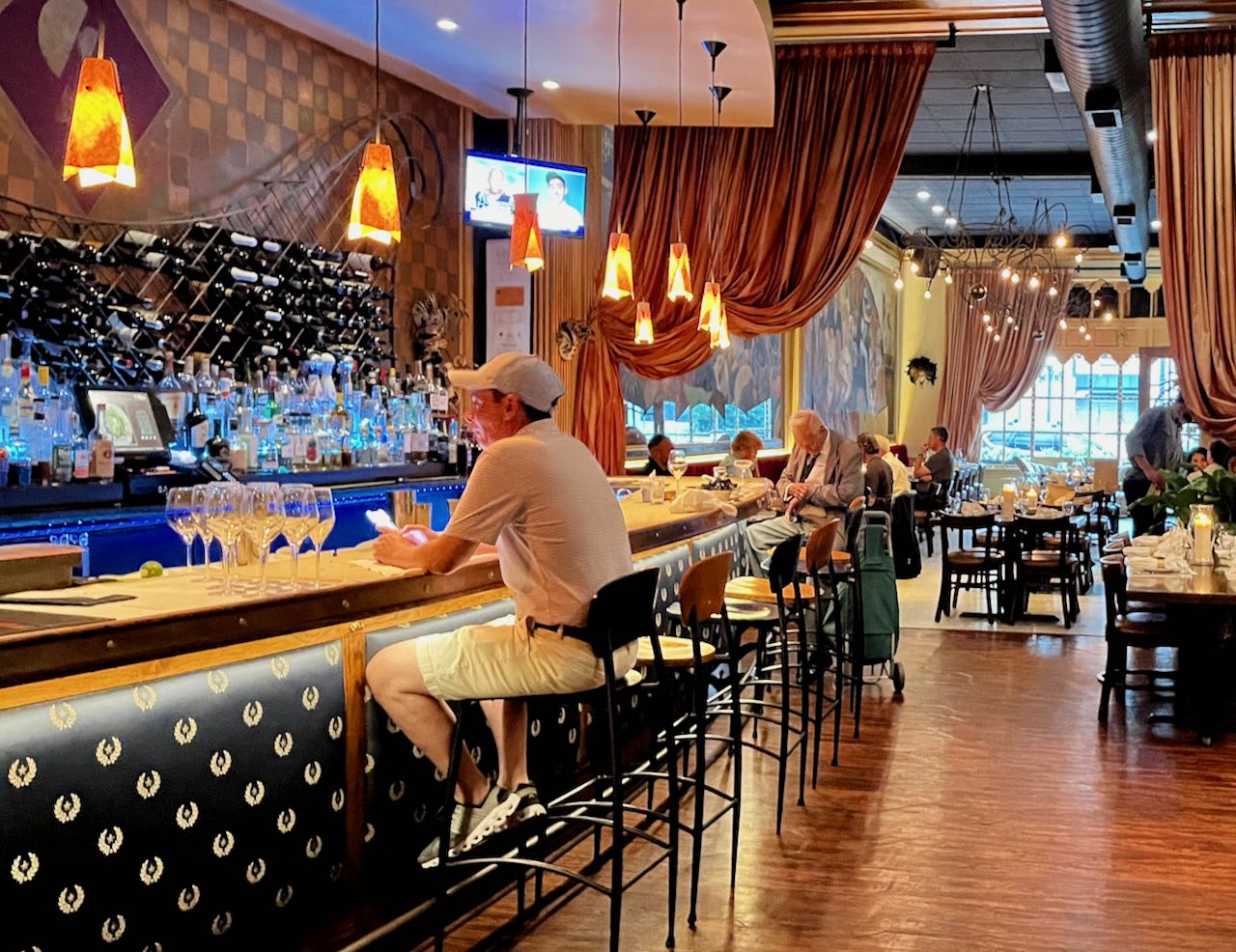
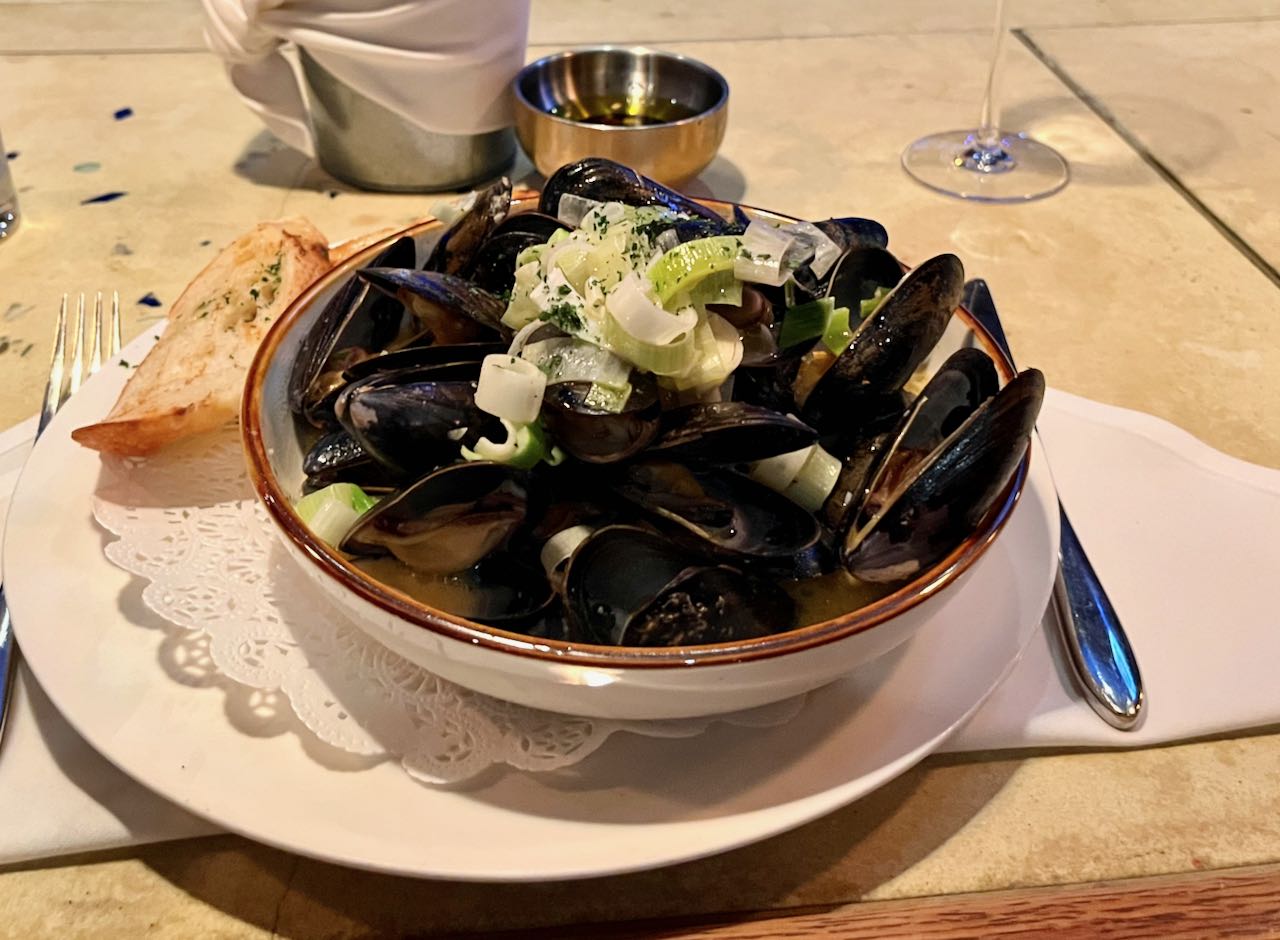
Instead of an entree I ordered two appetizers, mussels in white wine and cream, and fried calamari.
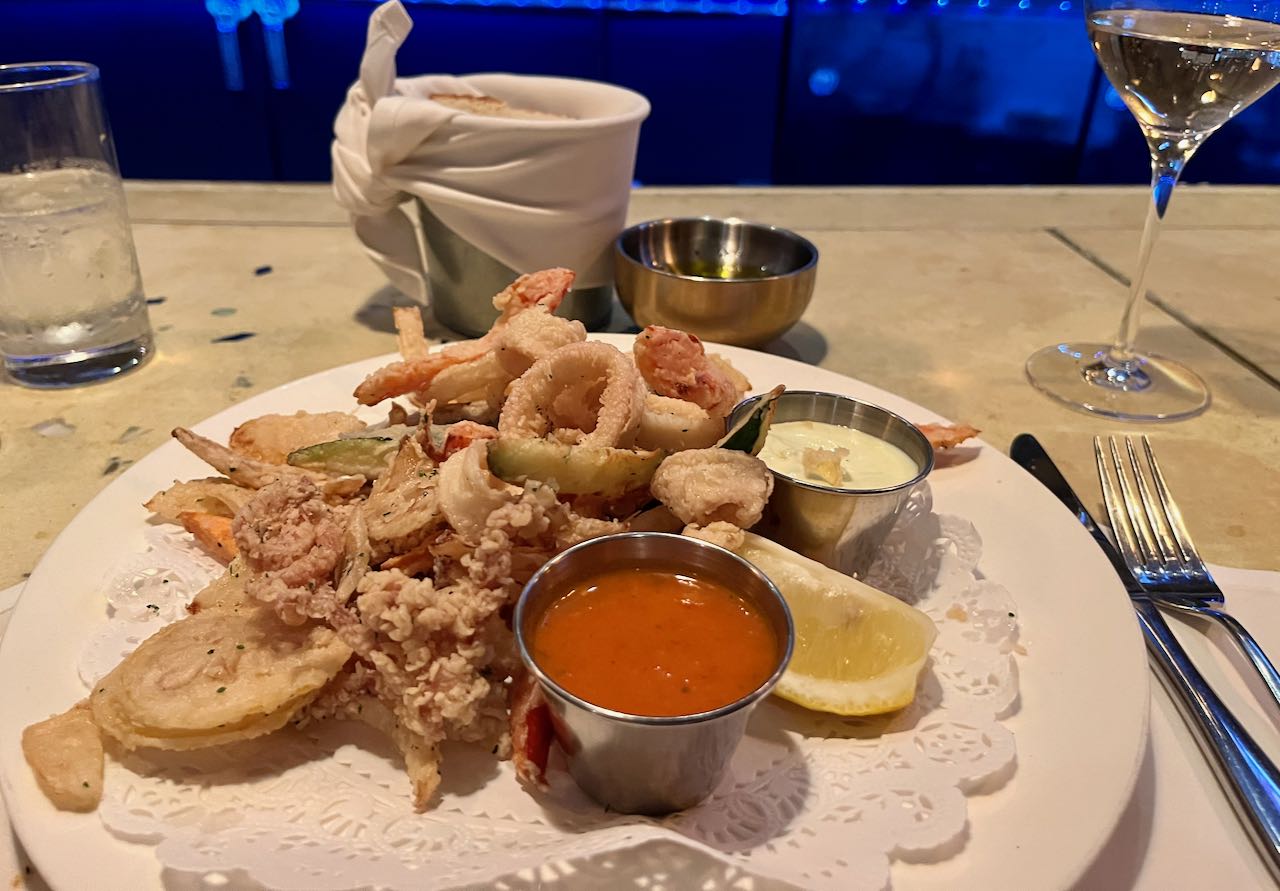
I walked back to the hotel in the twilight.

Baltimore’s Washington Monument sat outside my hotel window.
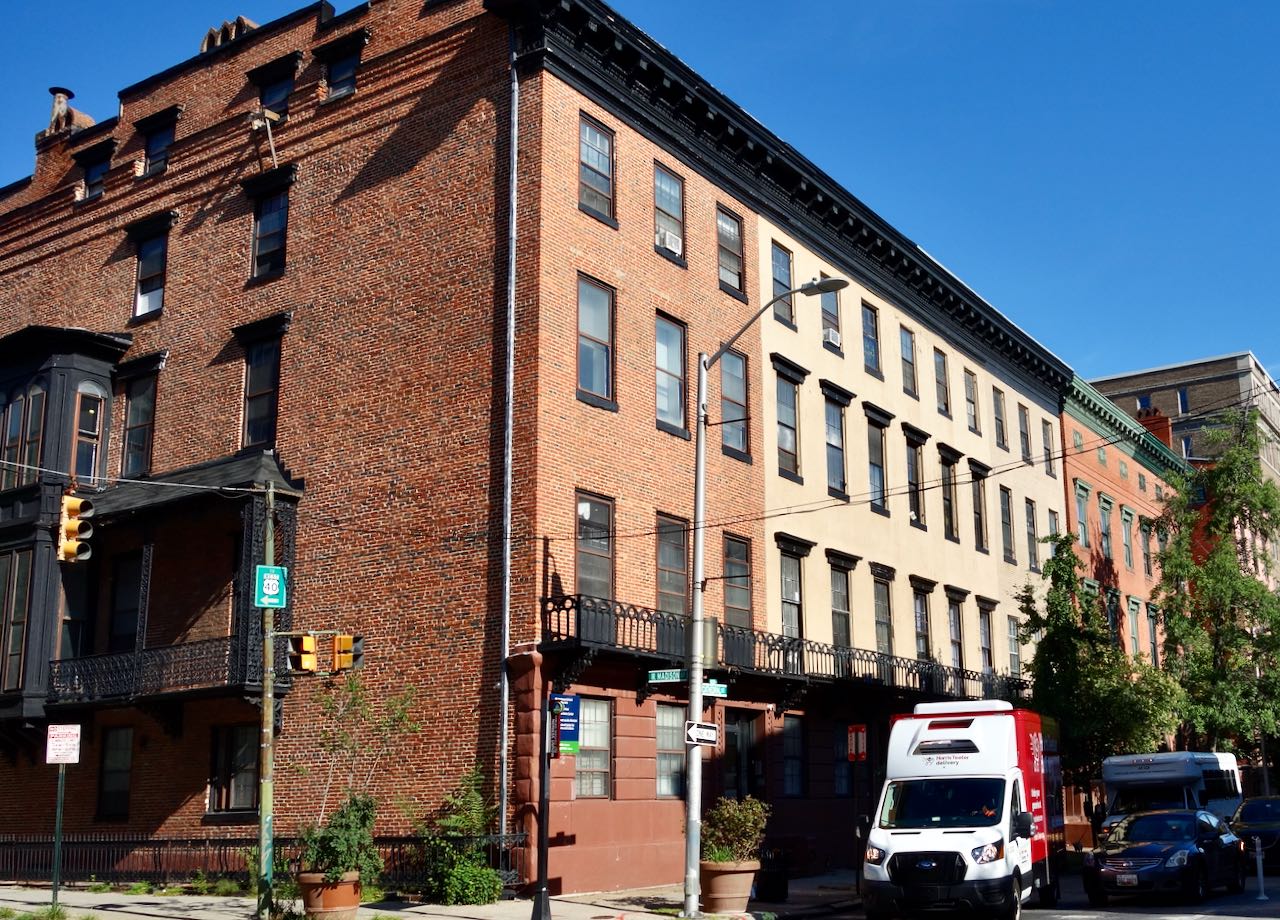
The next morning I planned a big bicycle loop around Baltimore, first riding north. The north side of Baltimore traditionally has been its preppy and more prosperous side. These row houses were just north of the Washington Monument and my hotel.
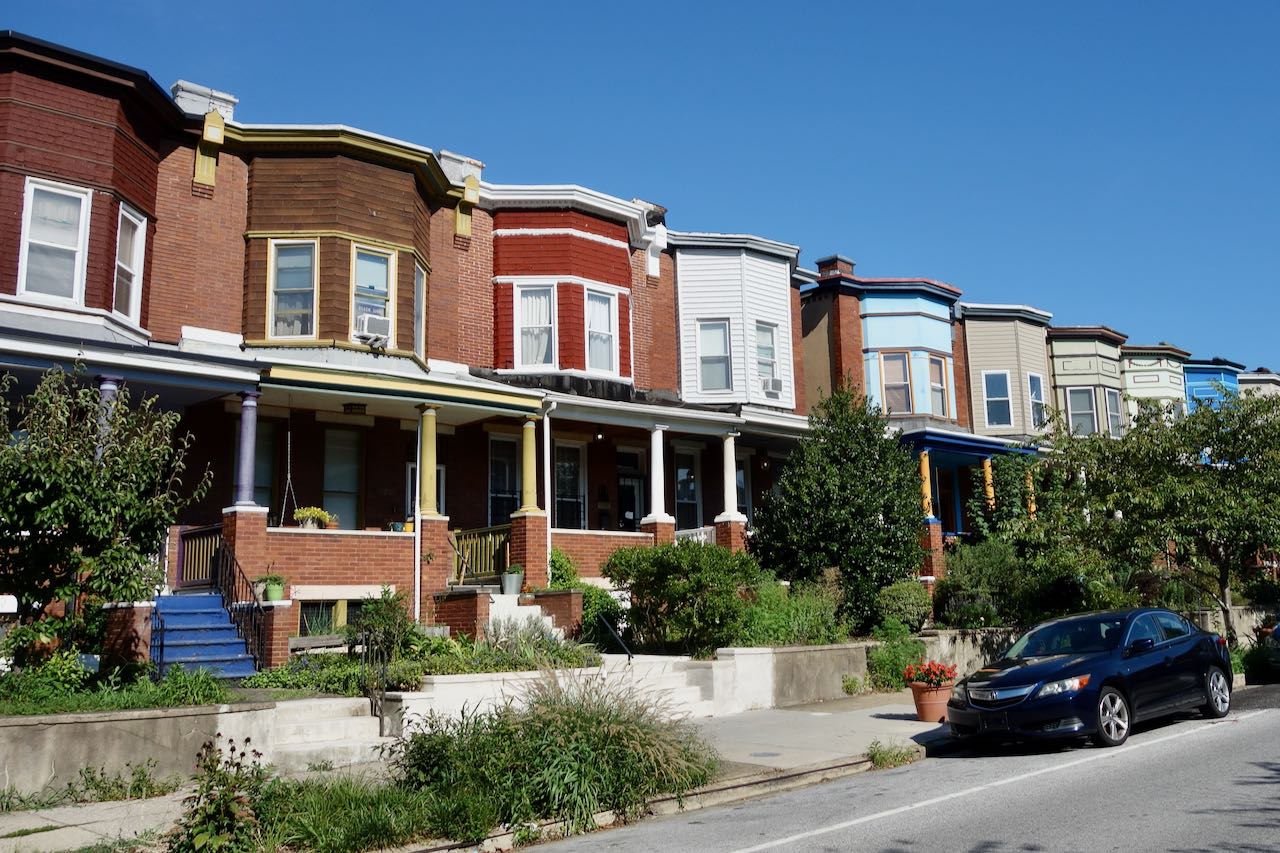
Cycling north one could see the transition as the city grew in the twentieth century; older row houses to newer row houses to suburban houses. In a neighborhood called Charles Village these row houses were built in the early 1900’s.
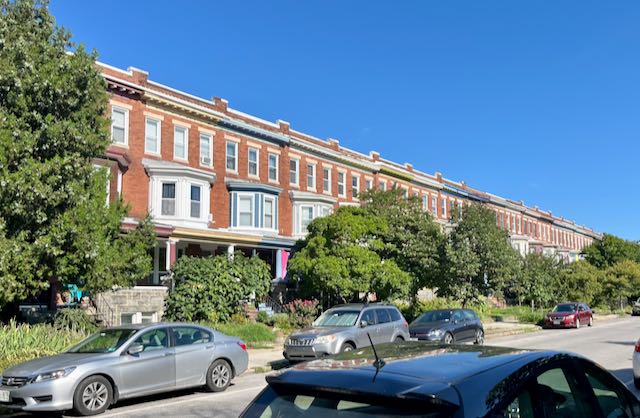
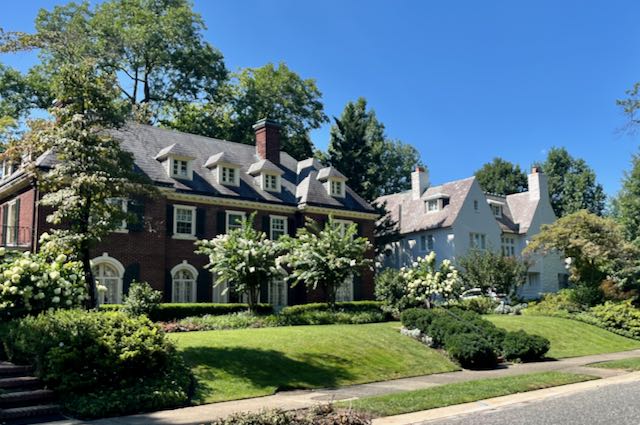
The first truly suburban neighborhood of single family houses was Roland Park. Not all houses were as big as these.
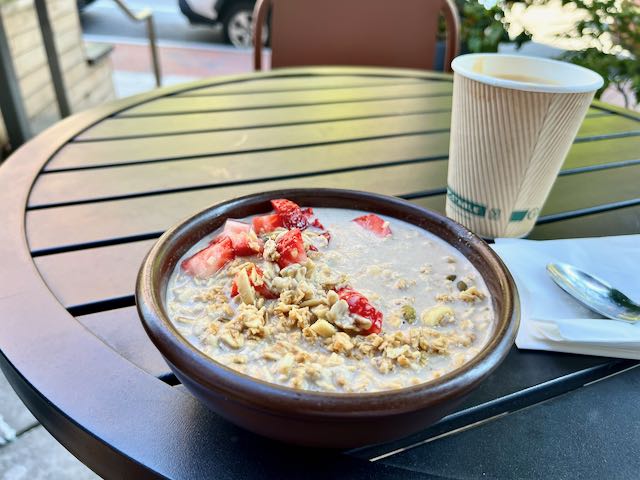
I looped around these neighborhoods, then cycling around Johns Hopkins University. Near the campus I stopped for a late breakfast at the coffee shop Bird in Hand. Refrigerator oatmeal was distinctive. I noted all the student types around me, many or most seemed From Southwhere Else. Other languages abounded. Elite universities clearly draw students from all over the world.
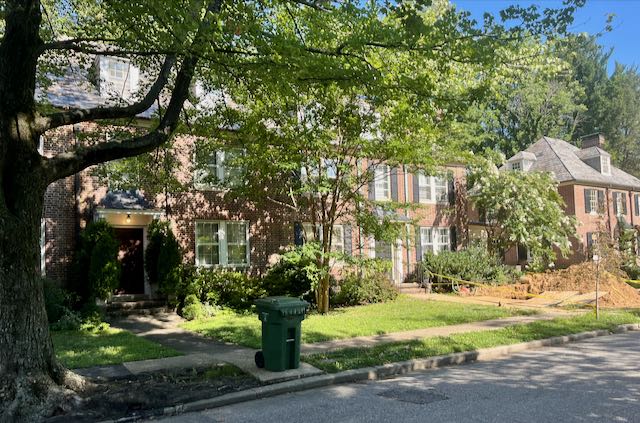
I then cycled further north, spinning around prosperous neighborhoods. I noted on several occasions that Baltimore’s elite “suburban” neighborhoods built in the 1920’s and 30’s were not entirely single family houses. They had the occasional duplex or apartment building, something one would never see in, say, North Carolina.
Finding bicycle friendly streets became more difficult as I approached neighborhoods built later in the 20th century. I turned back and cycled south towards downtown. On the way I passed through Hampden, a mostly White working class neighborhood that seems stuck in time. It is, of course, now a hipsterville but retains some of its roots. There is an annual Hon Fest, named after the local dialect that features referring to each other as “hon.”
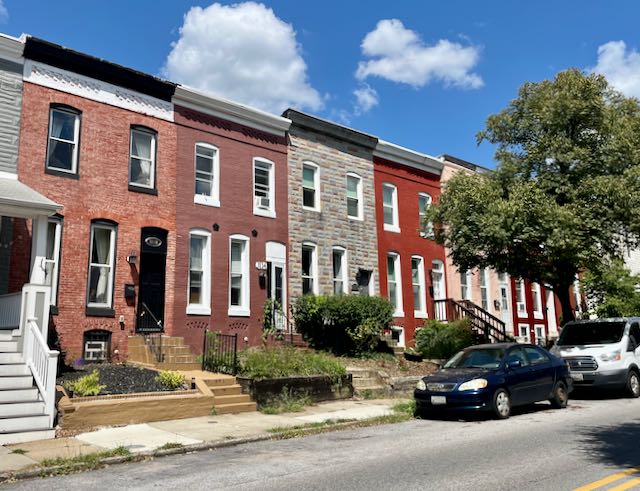
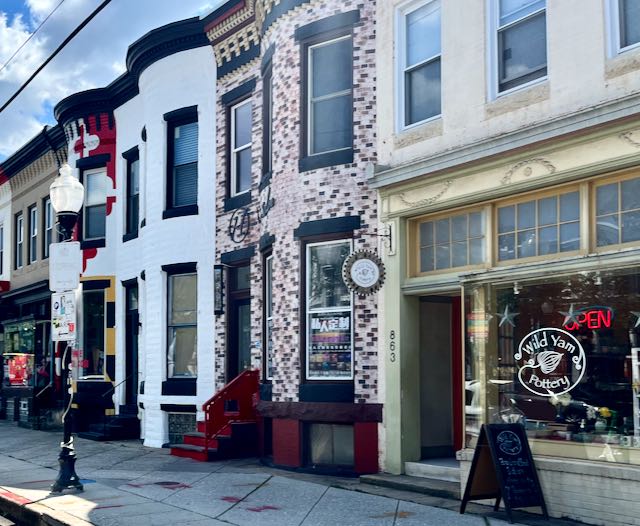
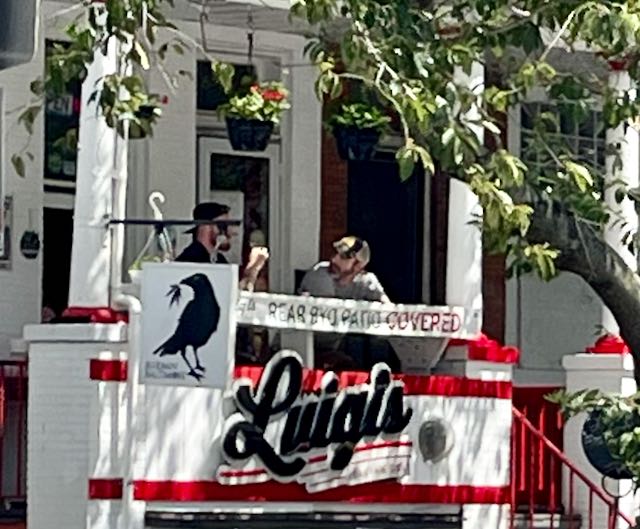
There are huge interesting parts of Baltimore to the east of downtown near the harbor. I cycled back through downtown and then Fell’s Point and Canton. The white stone steps continued.
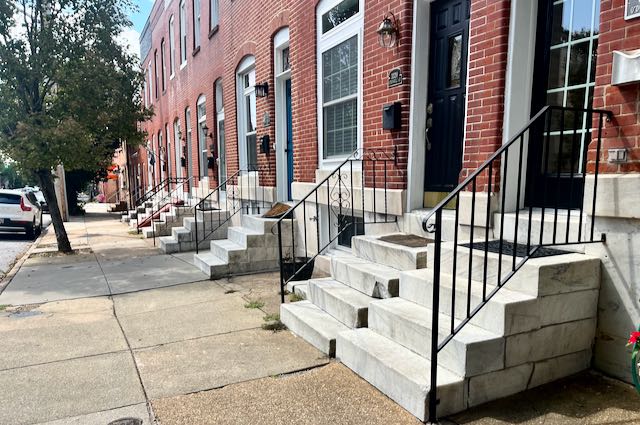
I had vaguely heard of suburban neighborhoods on the southeast side, especially Dundalk. This area was formerly the huge Bethlehem Steel plant. Cycling there was challenging, navigating numerous railroad tracks and underpasses. I discovered a sea of giant new warehouses, including Amazon. In the center of this industrial area I found Jimmy’s Famous Seafood.
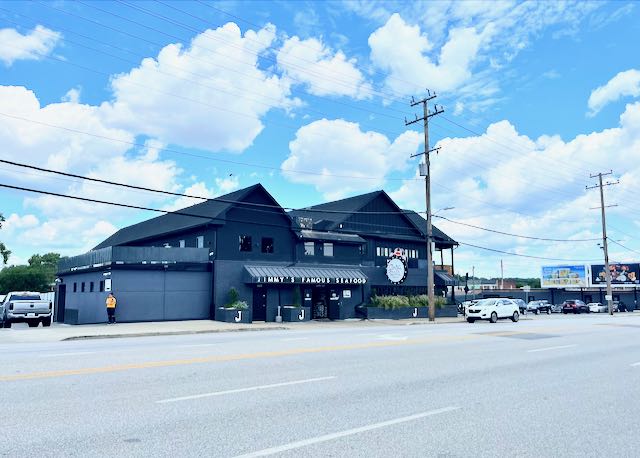
At 2:00 PM on a Tuesday I found a seat at the huge bar; maybe fifty seats, five or six occupied, all by Black men. Multiple TVs played sporting events. The friendly female bartender let me bring my bicycle inside.

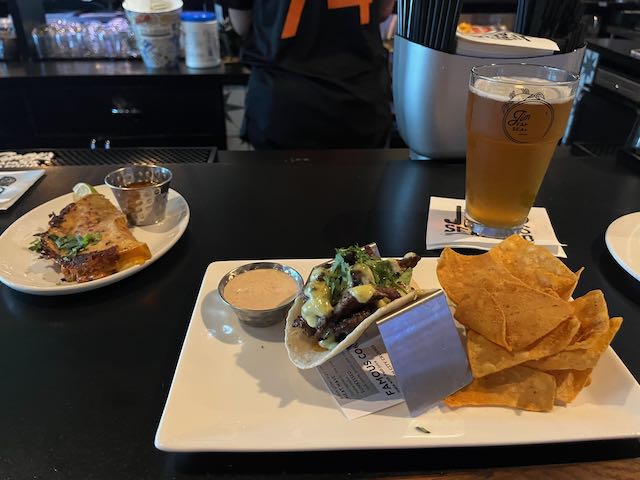
In hindsight I punted by not ordering the thirty-three dollar Maryland crab cake. I knew from New Orleans and elsewhere that crab has gotten expensive, especially if the meat is truly local and not from Southeast Asia. In my defense, I wasn’t all that hungry. I settled instead for the daily special, two five dollar tacos, one crab and one beefsteak.
Later on I cycled back towards my Mount Vernon hotel. On the way there was block after block of red-brick row houses.

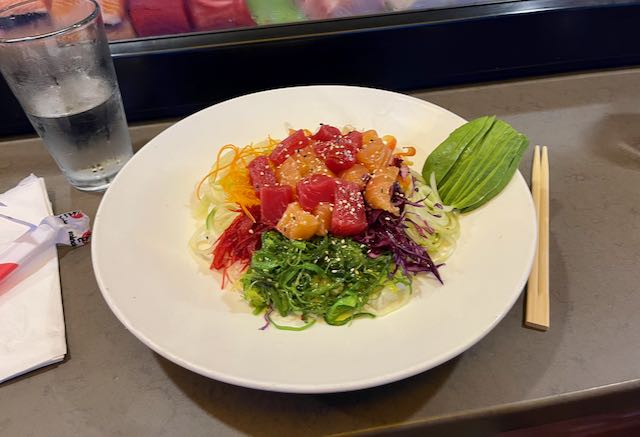
That evening I had poke in the Mount Vernon neighborhood. I had never ordered poke at a sushi place before, but poke is really just deconstructed sushi rolls. The green blob to the upper right is avocado. It was all delicious.
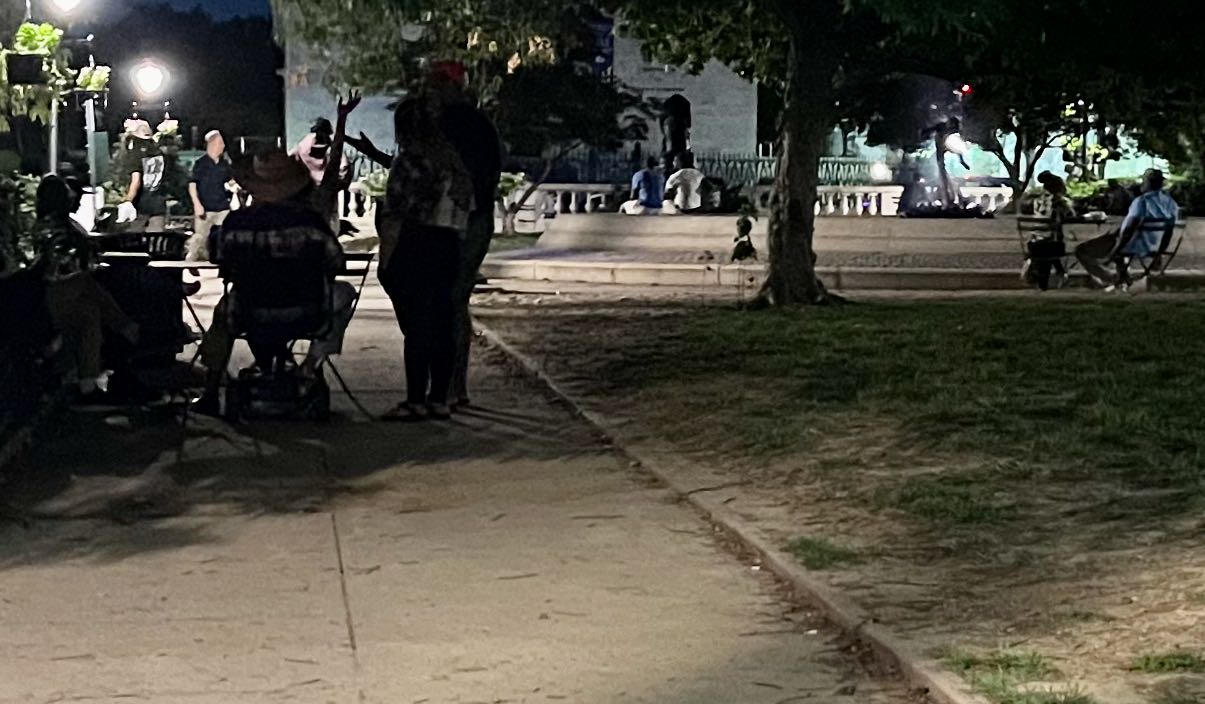
To those who say Baltimore is not safe, at the park at the base of Baltimore’s Washington Monument, at eight or nine on a summer night, normal looking people of all races were just hanging out. It seemed idyllic. Baltimore is the most racially integrated city I have seen in America.
I woke up the next morning and looked out my window.
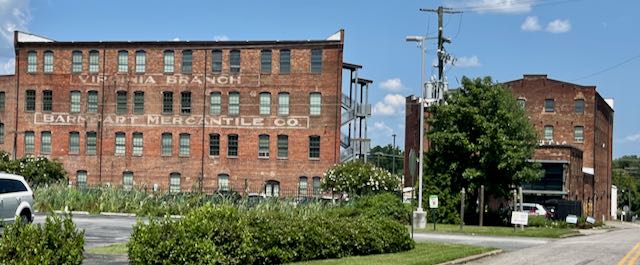
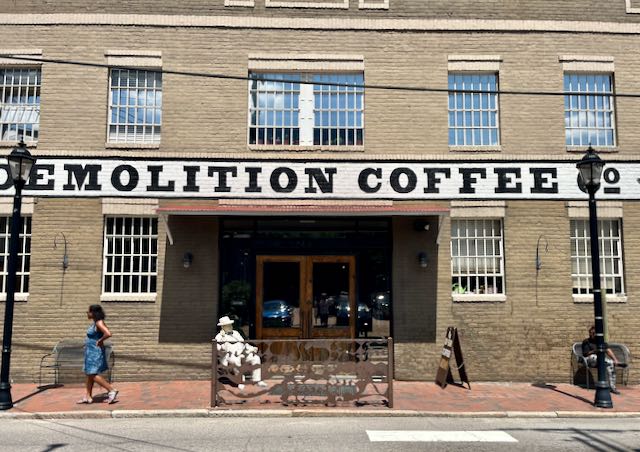
I needed to get home. I bicycled the three or four miles back to my car and drove the five or six hours to Chapel Hill NC. Two thirds of the way home, twenty miles south of Richmond VA, I stopped at my favorite Baltimoresque Virginia town, one that gets almost no respect, Petersburg VA. For the road I ordered an oat mile latte, one pack sugar, at Petersburg’s Demolition Coffee. The guy in the white suit is an artwork.
I was home by mid afternoon.


 urban bicycle journeys
Leave a comment