America is a fascinating country and a certain region of New York State helps tell our story. We are a mobile people and build lovely cities and towns but abandon them when the economics change. The residents might then move to places like Florida and South Carolina. There was an Industrial Revolution where items that American farm families once had to make by hand started being produced in factories. In the 1850’s before the Civil War, glove workshops started popping up around a tiny settlement halfway between Albany and Syracuse later to be named Gloversville NY, a region (for some reason) with easy and low cost access to leather. Larger factories followed. Between 1890 and 1950 ninety percent of the gloves in America were made in and around Gloversville NY. Of course almost all the glove factories are gone now. The town’s population has declined from about twenty-three thousand in 1920 to about fifteen thousand today. Some of those factories moved to the rural South but of course gloves are now made mostly in China or Southeast Asia.
I also recommend the 1994 movie Nobody’s Fool, starring Paul Newman, Jessica Tandy, Bruce Willis, and Melanie Griffith; based on the 1993 novel by upstate New York author Richard Russo. In the movie those with ambition have moved away from a fictional New York State town called North Bath which is lovely but depressingly dark. The remaining residents have known each other all their lives but really don’t like each other. They pull and push through life under cold grey snowy skies, finding ways to get along because there is no alternative.
Much of New York State’s industrial development came after the Erie Canal opened in 1825. Now there is a lovely bike path called the Erie Canalway Trail; three hundred sixty miles from Buffalo to Albany with Syracuse in the middle. It is perhaps the greatest long distance bike ride in America.
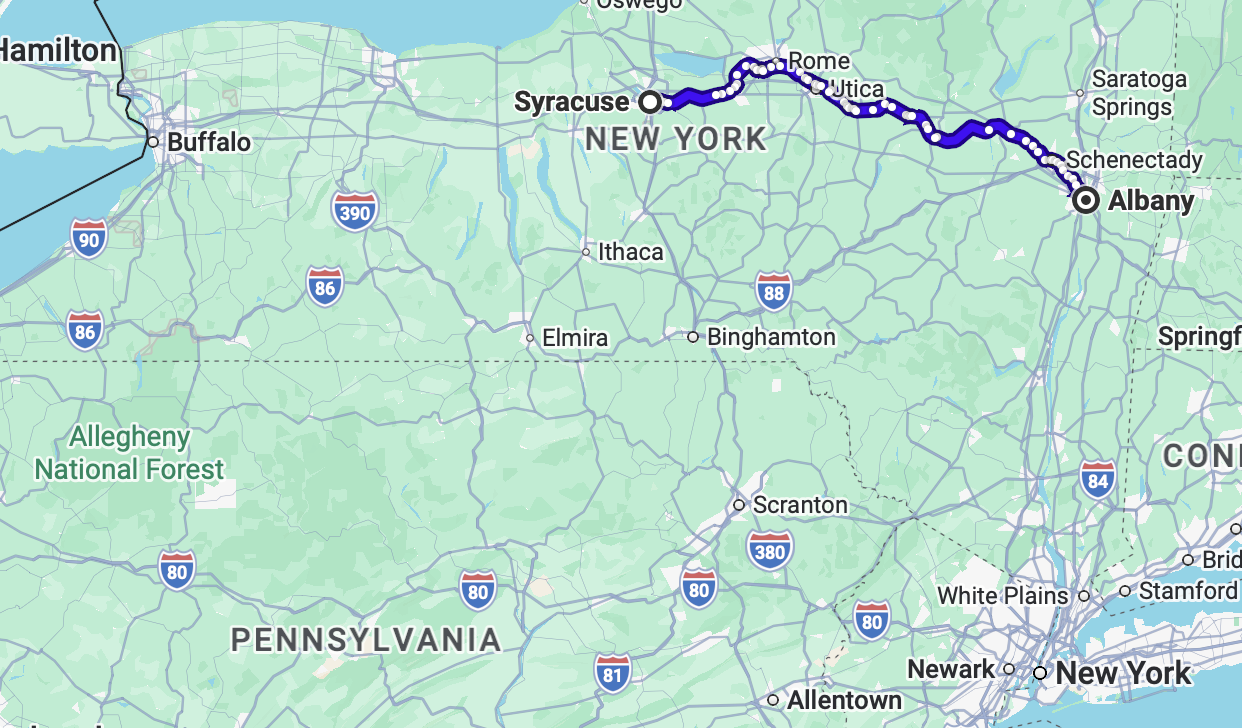
We didn’t visit Gloversville on this trip but passed within ten miles of it as my friend Lyman and I cycled through several other Gloversvilles in a little over five days cycling the hundred sixty miles of the eastern half of the trail; Syracuse to Albany, in a bright sunny late October chill
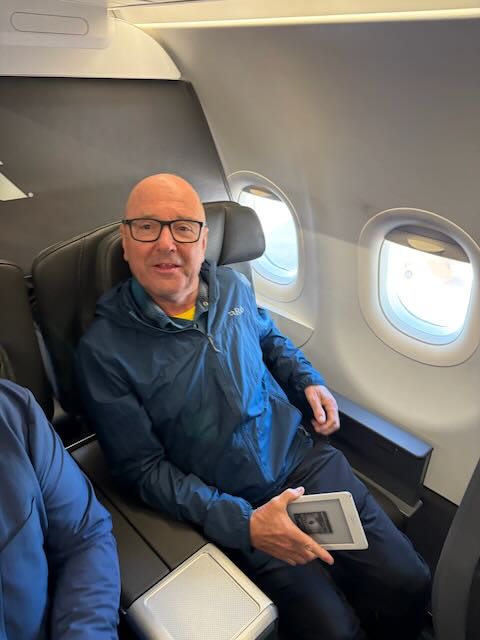
We are both Southerners coming up to explore the North. Lyman was originally from New Orleans LA now Austin TX, me from Virginia Beach, now Chapel Hill NC and New Orleans. We both took the same connecting flight from CLT to the Syracuse airport. I was somehow upgraded but he still had to sit in the back.
Both of us had checked a folding Bike Friday in a suitcase. By plans I had made the day before we Ubered from the Syracuse airport to a Fedex store in suburban Syracuse where we took our bicycles out and sent the empty suitcases onward to our final destination of Albany. By the time we had assembled the bicycles and attached our luggage it was almost 5:00 PM. The sun would be setting in a little over an hour.
Not only in parts of America but even in Europe government-built bicycle paths are often poorly maintained. Trails stop and start and wash out in the rain. The government of New York State gets huge kudos for keeping the Erie Canalway/Empire State Trail well marked and in good condition. Despite its name the Erie Canalway is less than half directly on a canal but it is almost always well planned and comfortably flat. As we began riding it occupied the median strip of a four-lane through Syracuse sprawl right in front of the Fedex store. It was a thrill to be finally cycling!
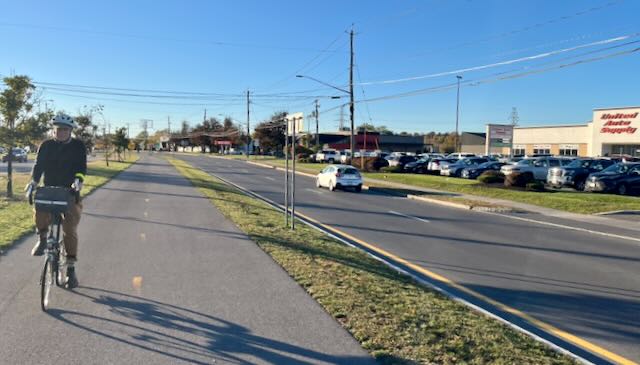
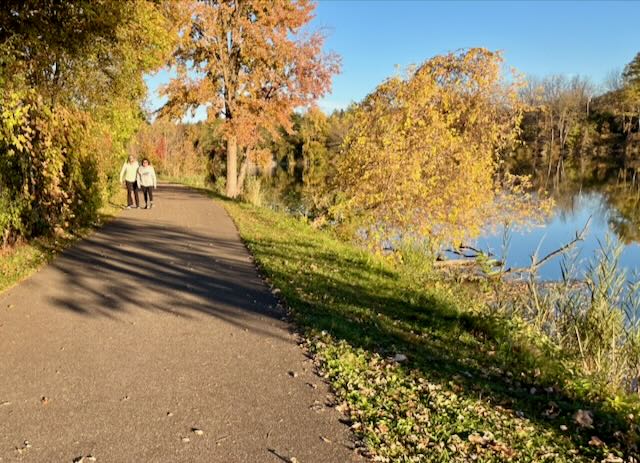
That two mile stretch through commercial sprawl along the highway was probably the least attractive stretch of path on the entire trip. Soon the situation improved. We were following a canal, or was it a river? The leaves were changing in bright colors.
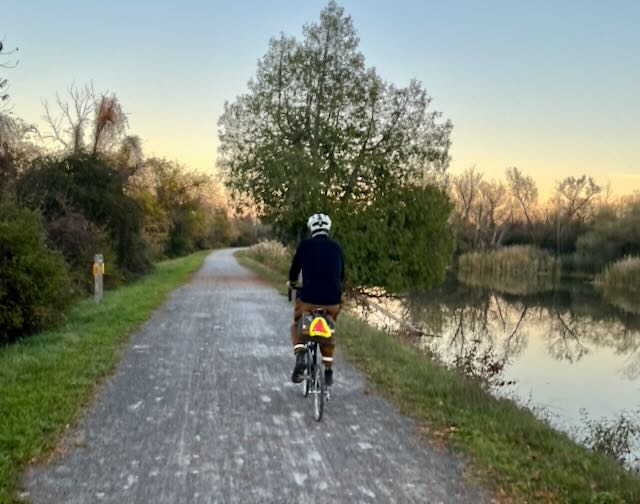
Chittenango NY, population five thousand, looks like the typical upstate New York town except maybe more prosperous which I attribute to it being within commuting distance of Syracuse and its higher paying jobs at universities and hospitals.
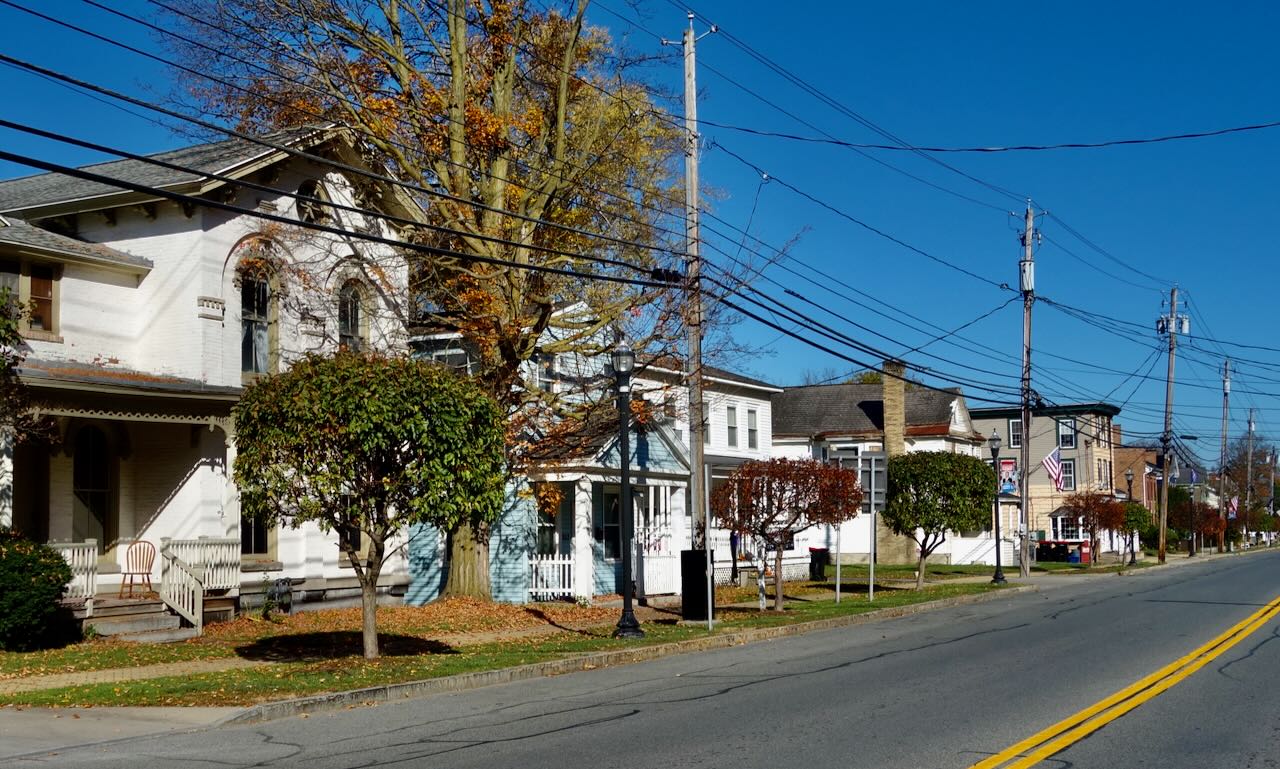
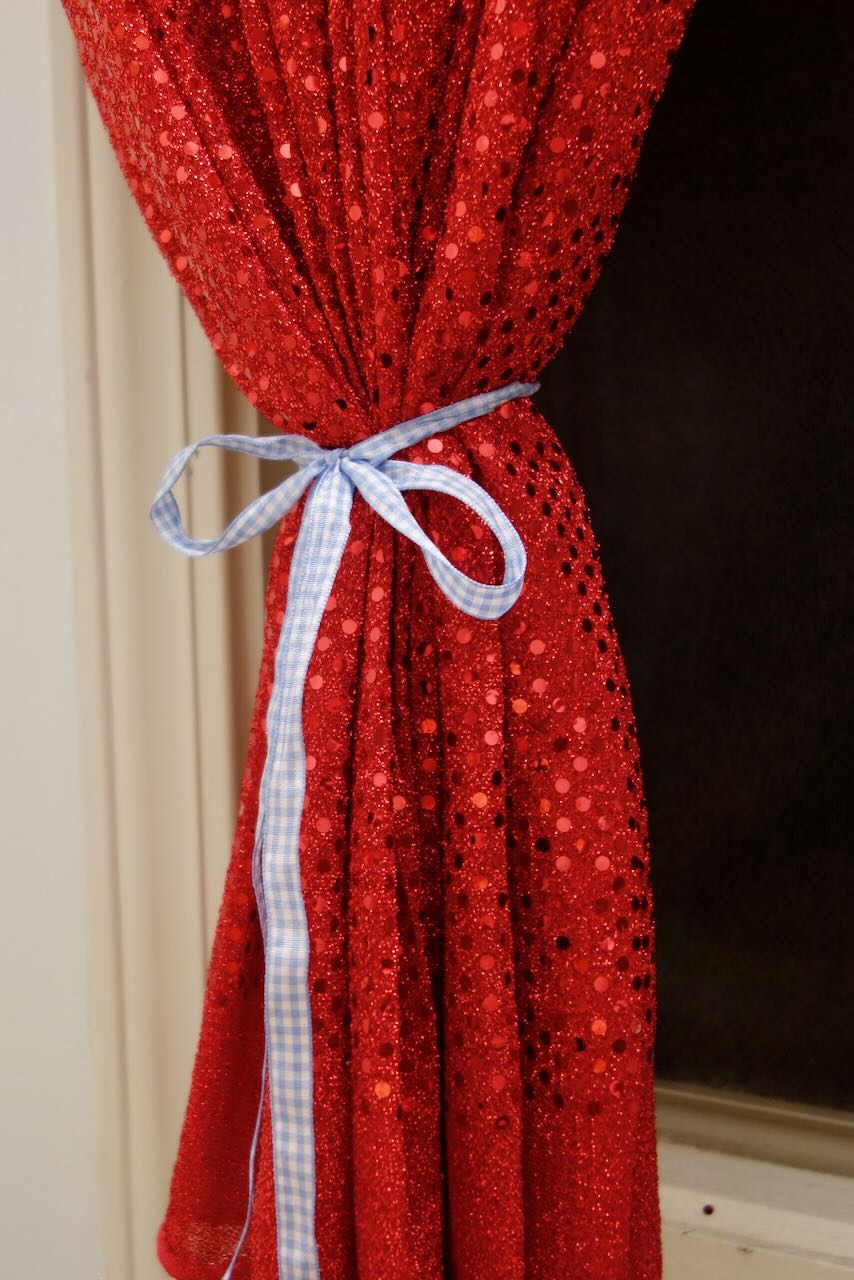
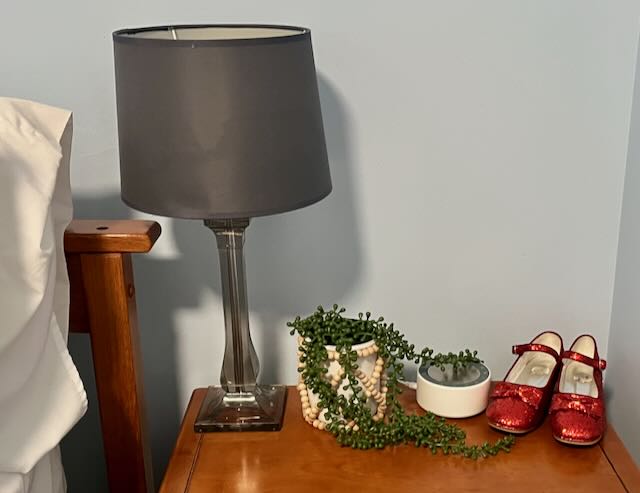
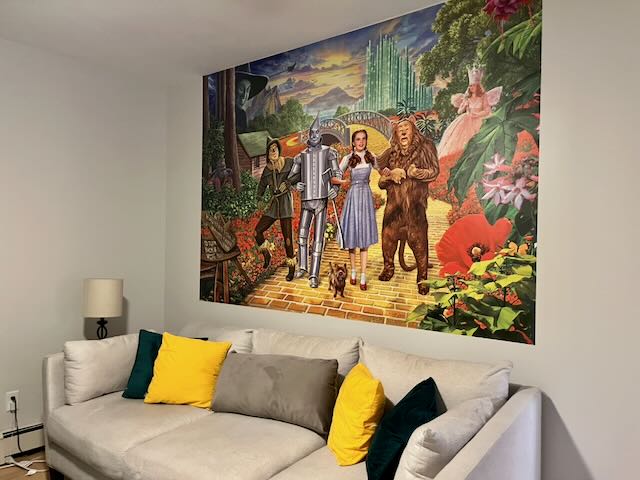
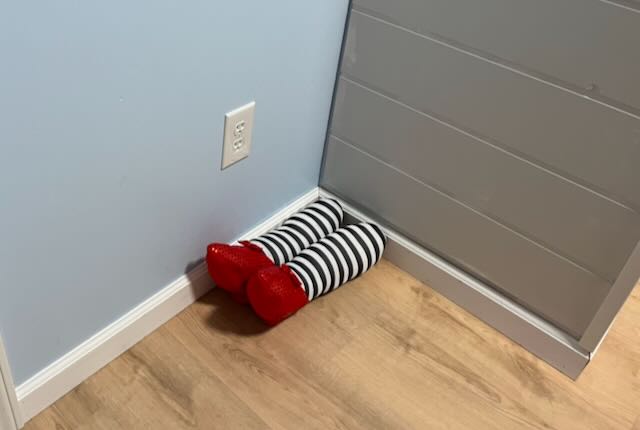
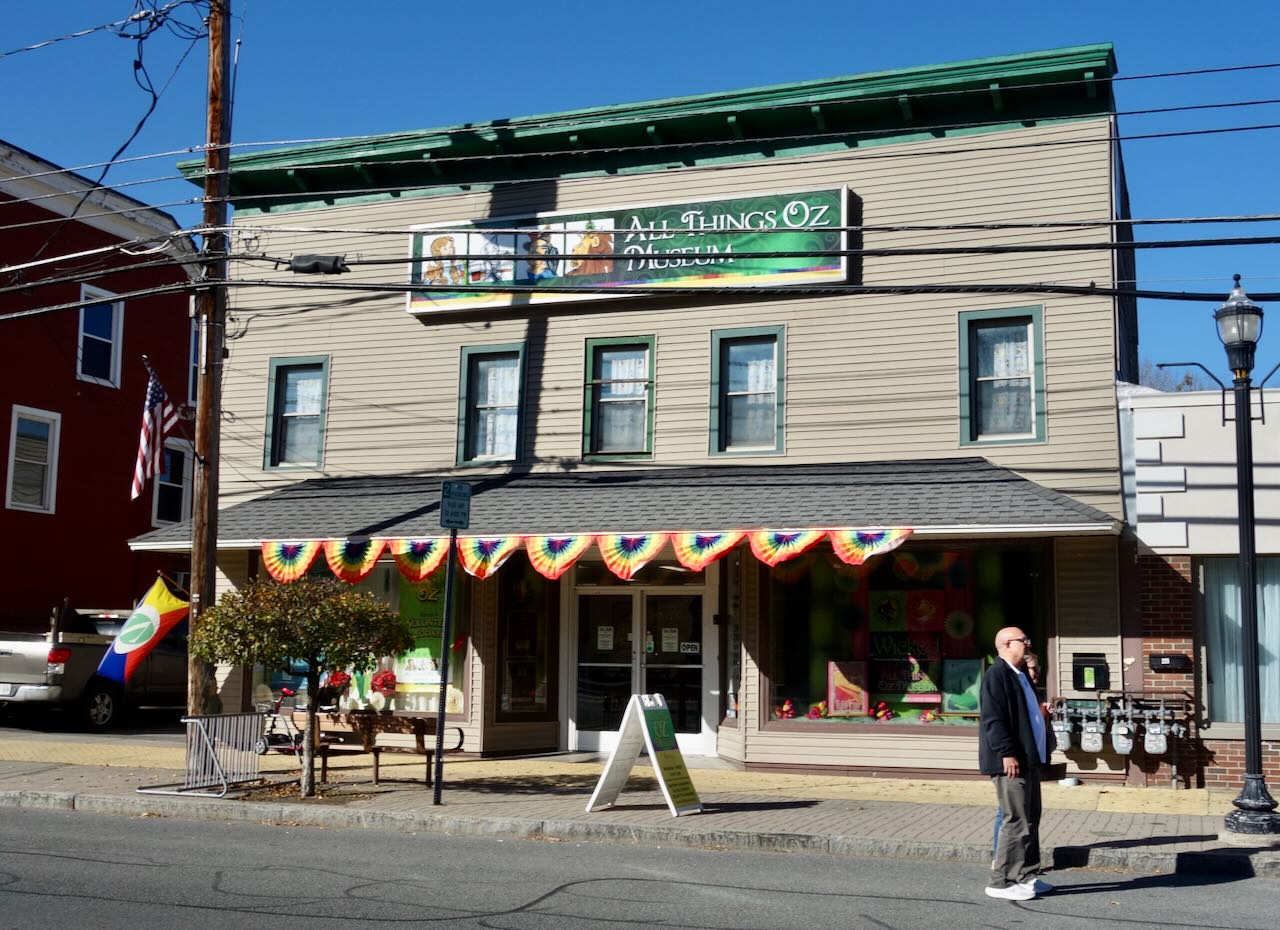
Chittenango is proud that it is the hometown of author L. Frank Baum author of the Wizard of Oz books. The original book was published in the year 1900 and Baum died in 1919 but the images and characters from the 1939 movie remain the most memorable. On Main Street the owners of an outwardly decrepit circa 1900 house had spent substantial creative energy in decorating the second floor as a two bedroom Airbnb with Wizard of Oz paraphernalia, some of it homemade.
Ruby slippers
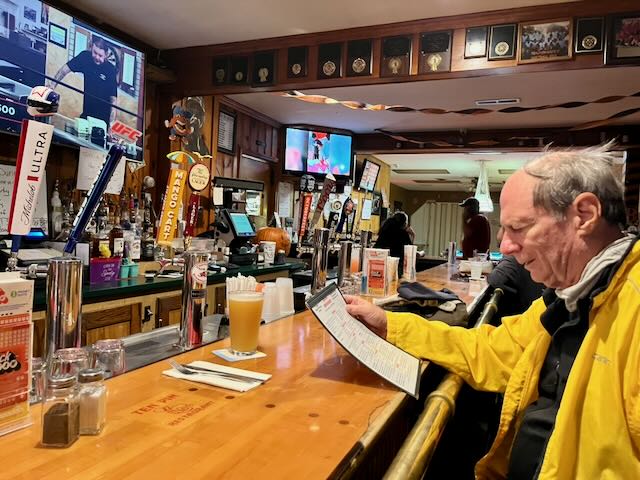
Where to eat dinner? Practically every New York town we visited had a colorful older bar/restaurant. In Chittenango it was the Ten Pin. The wood surface of the bar was an old bowling alley. Lyman inspected the menu.
Breakfast the next morning was at the also picturesque Darlene’s Kitchen.
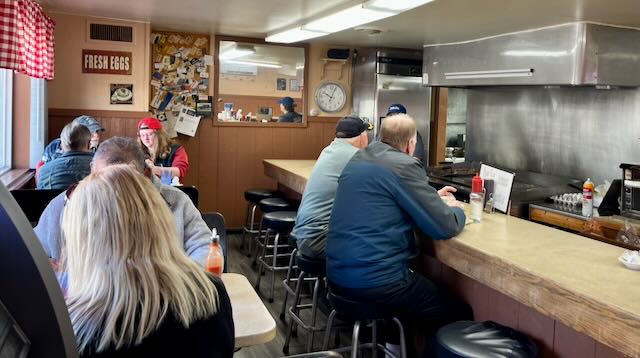
Two eggs over easy with homemade corned beef hash seemed very Yankee, in a good way.
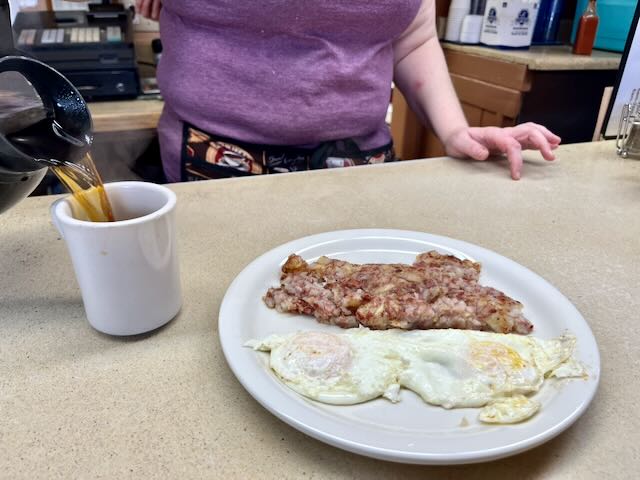
While leaving we were in the rear parking lot unlocking our bicycles when we saw the restaurant’s tall and lean cook in blue jeans with long gray hair standing outside smoking a cigarette. I complimented her on her hash; she smiled and barked back
“Yeah, sixty pounds of corned beef a week!’
A good idea for travel in America is not to pass up small independently run museums covering some obscure topic you thought you had no interest in. While the memorabilia and movie props on display at Chittenango NY’s All Things Oz Museum were fine, I guess, more touching was the infectious love of everything Wizard of Oz by the two older men and one twenty something woman (in Dorothy pigtails) who were staffing the place. They seemed amateur theater types doing a labor of love. Lyman and I were the only visitors at 10:30 AM on a weekday.
The weather in this region can be brutal and we knew that a late October trip was iffy. The entire week’s weather turned out almost perfectly, with repeated days of sunny skies, lows in the thirties and highs in the sixties and no wind. To stay warm we generally waited until about 10:00 or 11:00 AM to start cycling.
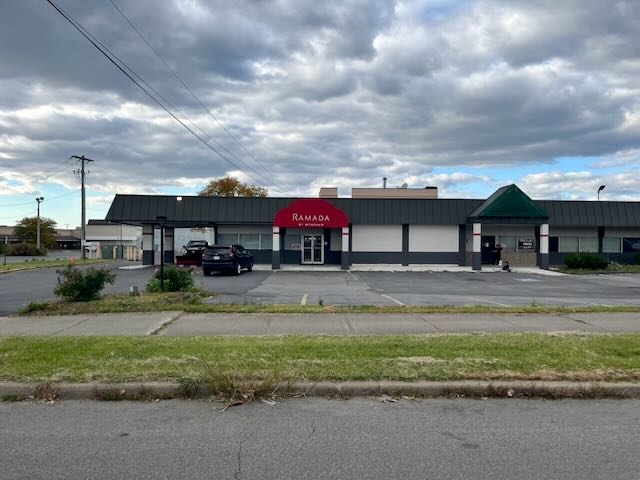
We stopped for coffee mid-afternoon in Rome NY and decided to act like old men and quit for the day. We knew of a supposedly good Italian restaurant just a few blocks away. Rome NY is a depressed looking small city of thirty-two thousand, the same population as back in 1930 and much less than the sixty thousand in 1950. Much of the downtown had been sadly “redeveloped” (torn down) in the 1960’s. The only hotel downtown was a Ramada Wyndham motel. It’s a dump but the two South Asian looking guys running it were friendly and seemed to be trying. I haggled for a deal. Public areas of the motel were crumbling, dirty, and vacant but inside our rooms the furnishings were newer and could maybe even be called nice. At least there were no sketchy people hanging around. In fact, I hardly saw any other guests.
That evening we walked a couple of hundred yards to an older restaurant called the Franklin Inn, the quintessential non-pretentious Italian-American experience. I do love red sauce. We sat at the bar and bantered with a young woman on the other side.
First course; soup of the day, obviously homemade.
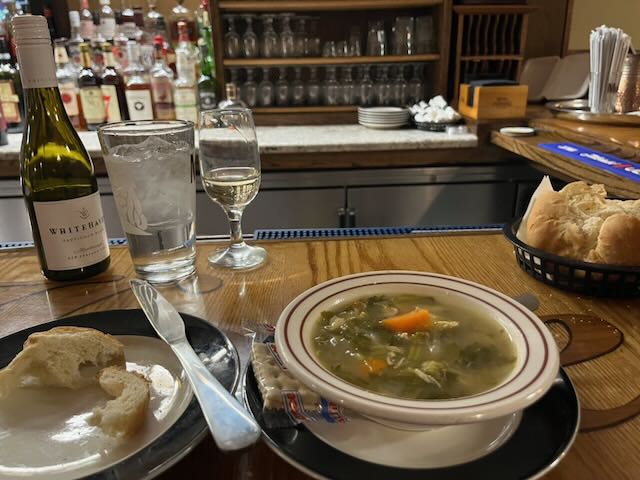
I didn’t get a good picture of the excellent eggplant parmesan that Lyman and I split. It included spaghetti and red sauce: delicious.
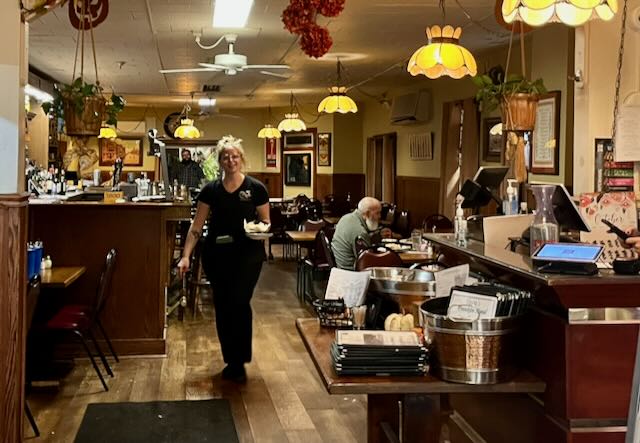
Our bartender.
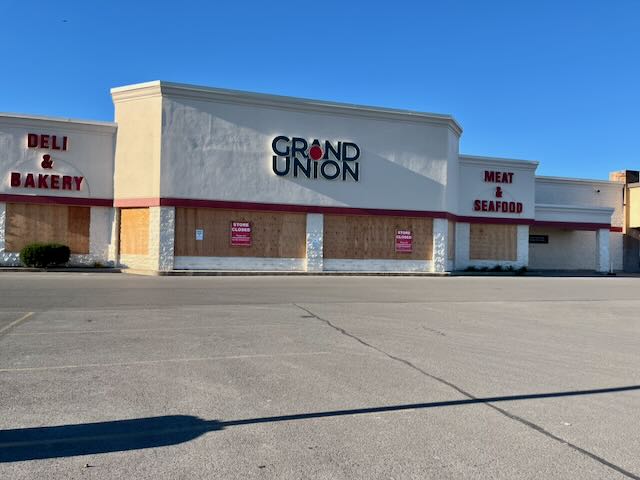
I often make peanut butter and honey sandwiches on these bike trips for lunch on the road. Early the next morning in near freezing temperatures I left my hotel room and cycled around Rome NY in the early morning light looking for somewhere to buy bread. Rome NY is a depressed place and this grocery store is dead as a hammer. I ultimately did find another grocery store.
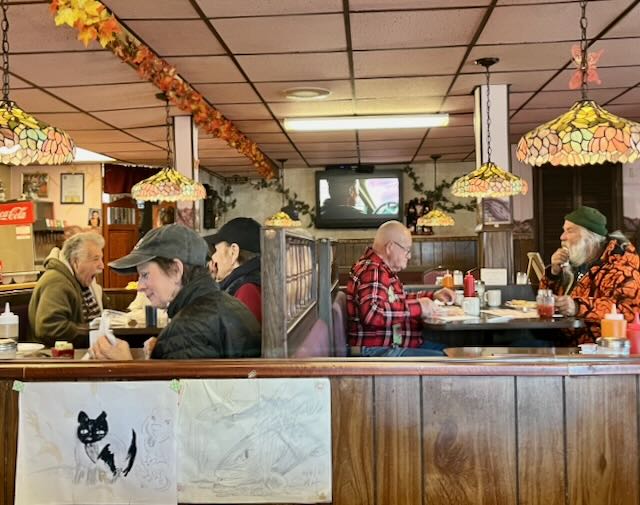
We hung in the hotel rooms until it was warm enough to cycle three miles for a late breakfast in the Rome suburbs. People intuitively dress warmly up here.
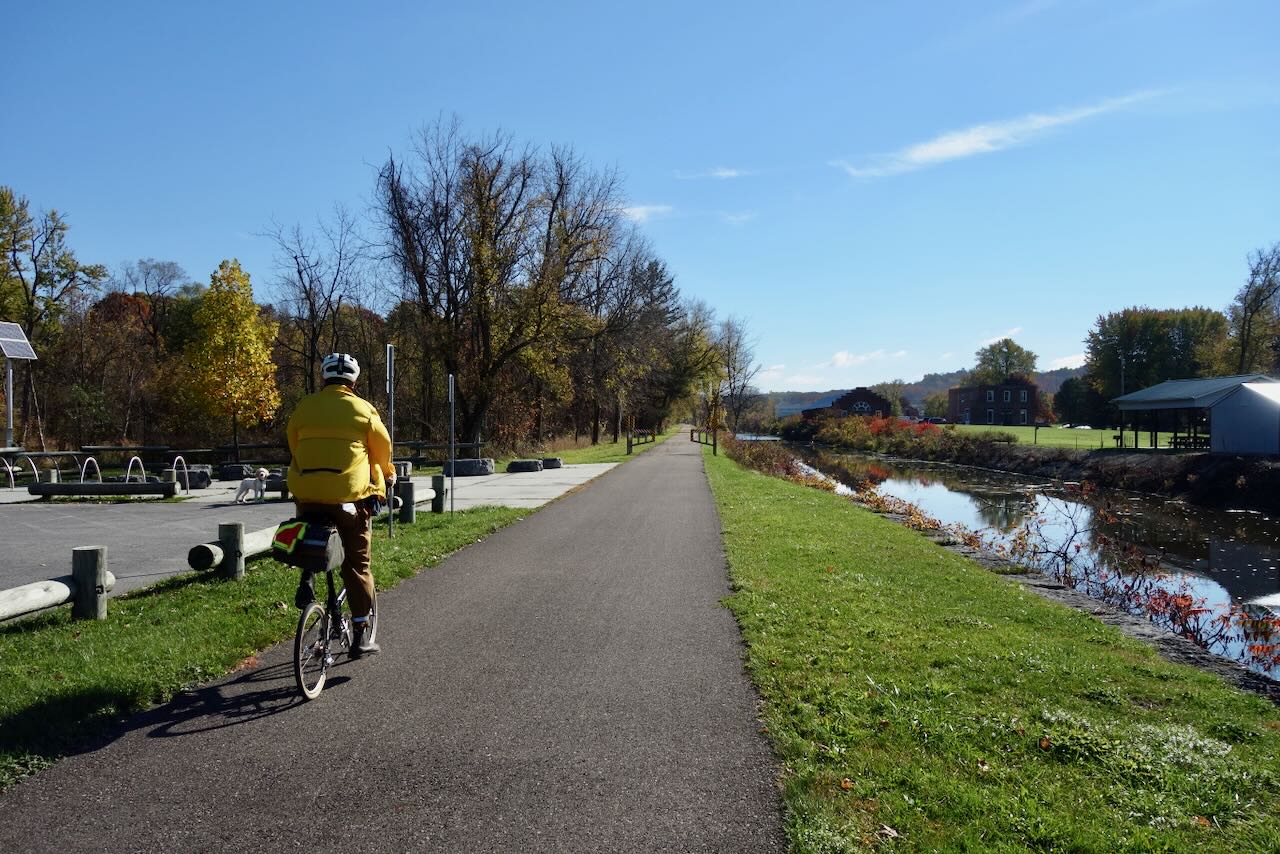
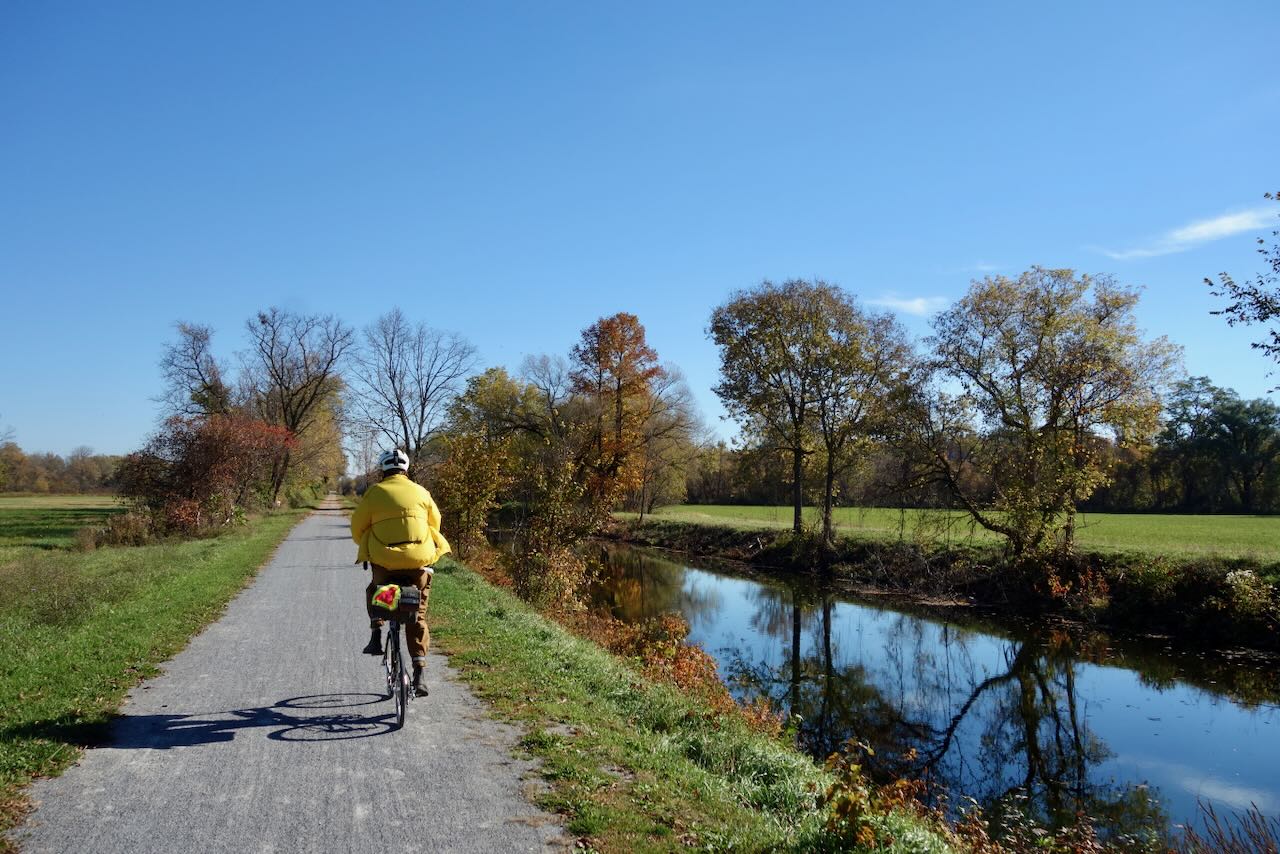
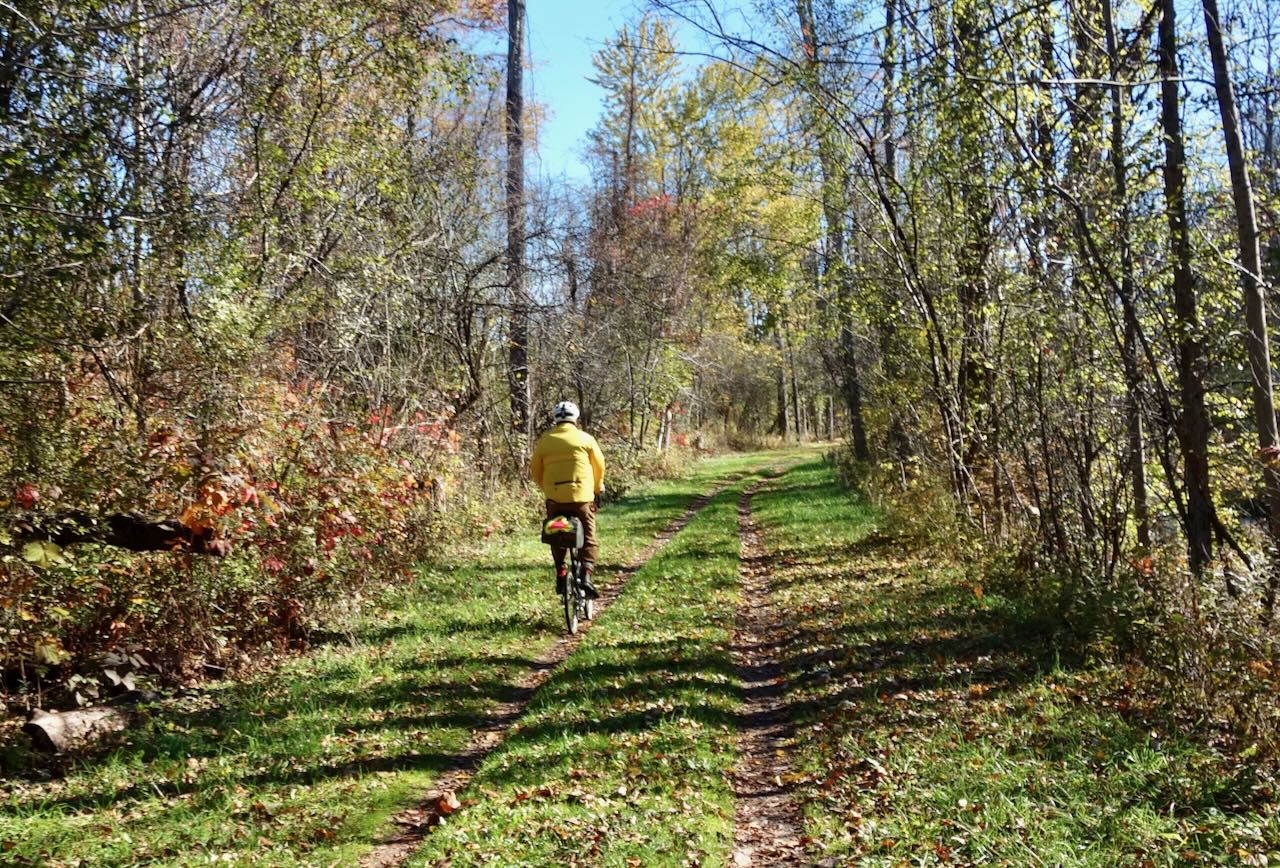
Cycling the fall foliage was lovely even though sometimes all the leaves had already fallen. The Erie Canalway Trail has varied surfaces, sometimes paved, but almost always easy to bicycle.
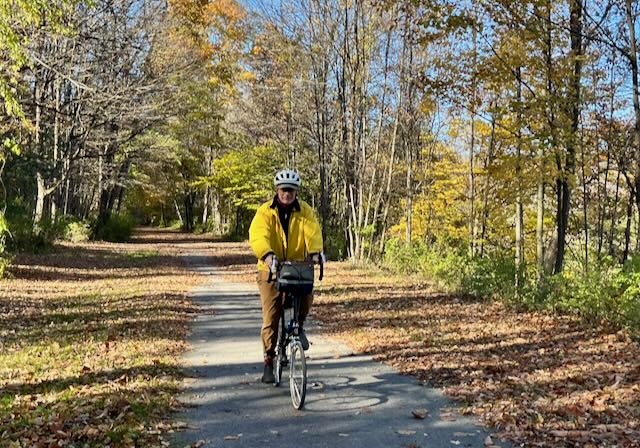
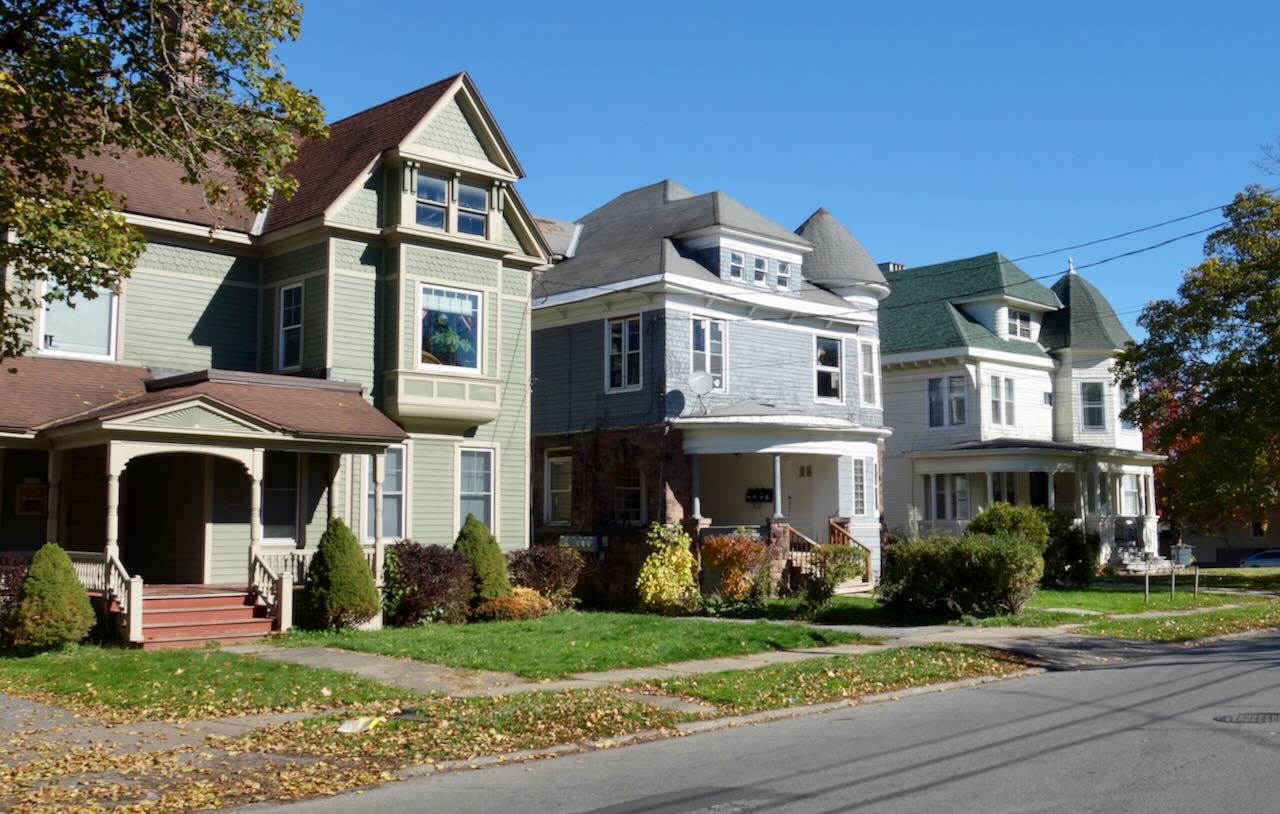
As the path follows the former Erie Canal and now the Mohawk River we diverted into the city streets of the decayed former industrial city of Utica NY, current population 65,000, less than the 74,000 way back in 1910. Its population is actually slowly growing now, bolstered by immigrants from places as diverse as Eastern Europe, Russia, Vietnam, and Burma.
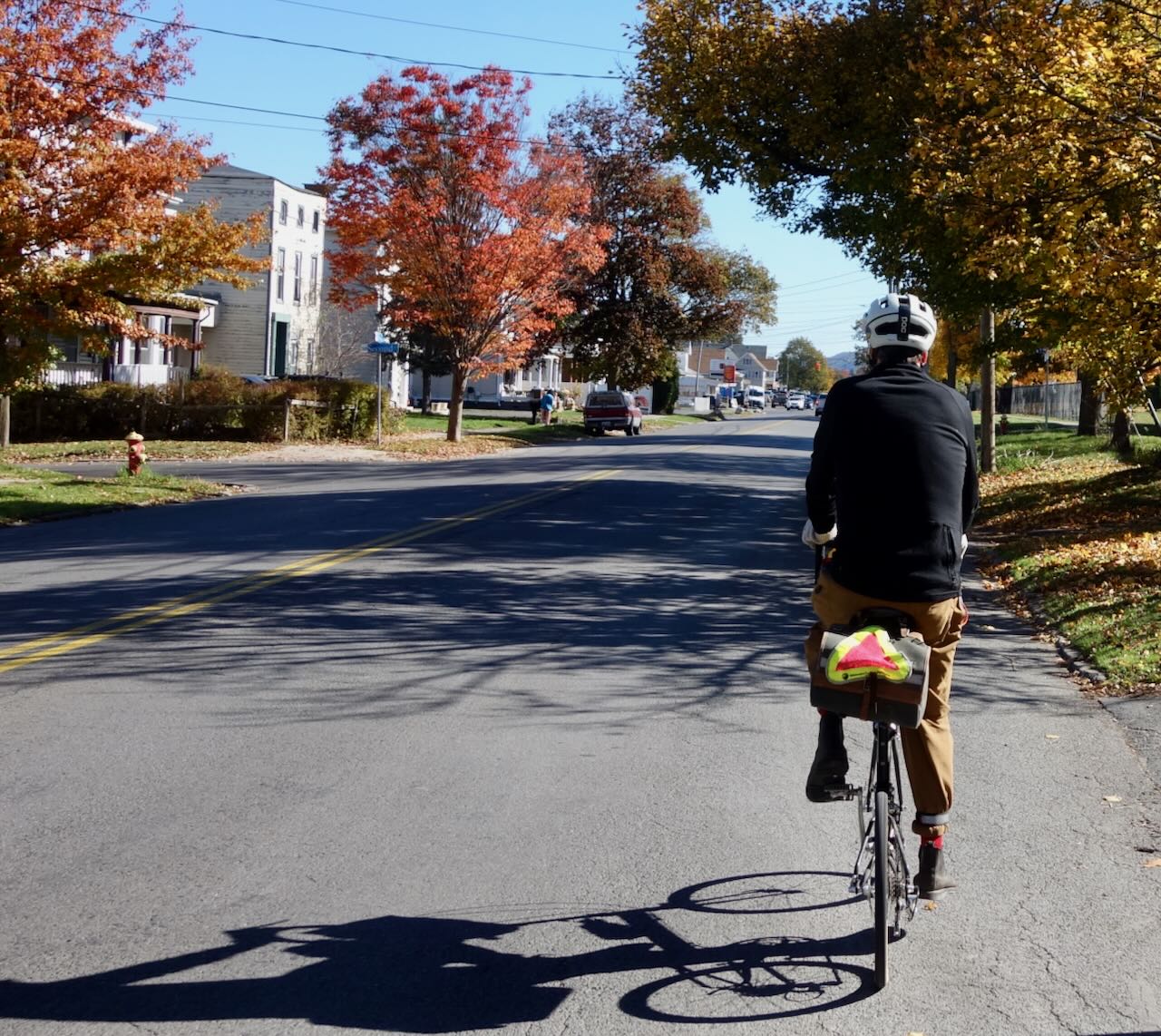
East of Utica the Canalway signs directed us to a little used country road that paralleled the Mohawk River. Cars came by only once every few minutes.
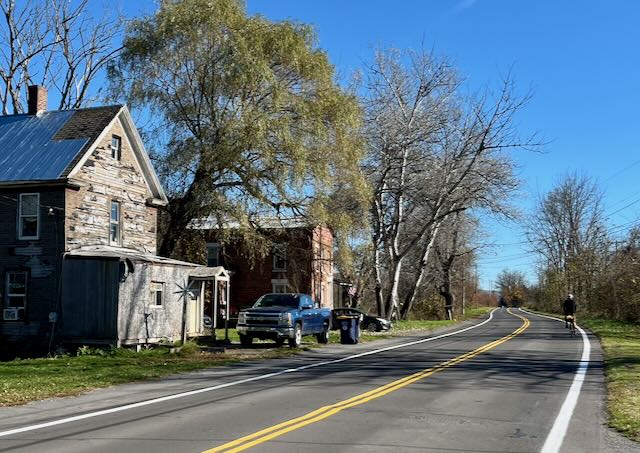
In this rural area three or four miles from Frankfort NY we stopped to eat peanut butter and honey sandwiches while sitting on a guardrail, A guy cycled by and stopped to chat. He told us he was seventy-five years old and had ridden all the way out here three or four miles from Frankfort NY on his cheap rusty Walmart bicycle. We were impressed. He had lived all his life in Frankfort NY, population seven thousand. He said his profession had been sweeping up warehouses. We did not catch his name but Lyman started filming his comments about the cycling conditions on this road. Twenty-two second video.
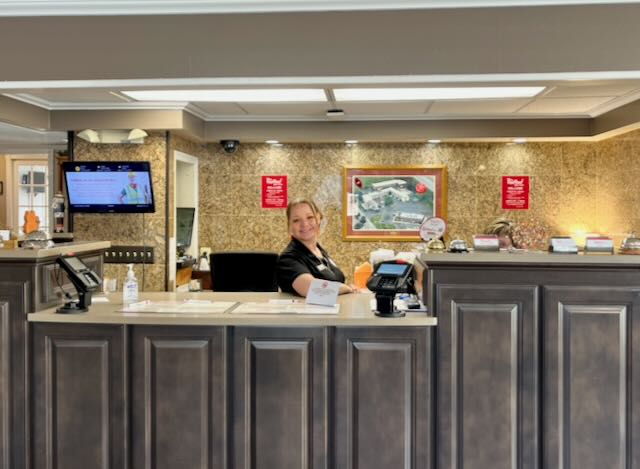
We spent the night in Herkimer NY, population ten thousand, a town that seemed more lively and prosperous than previous ones. “Red Roof Inn” as a chain motel seems code for ratty low-rent but the Red Roof Inn of Herkimer NY checked every good box; welcoming and clean and really quite nice.
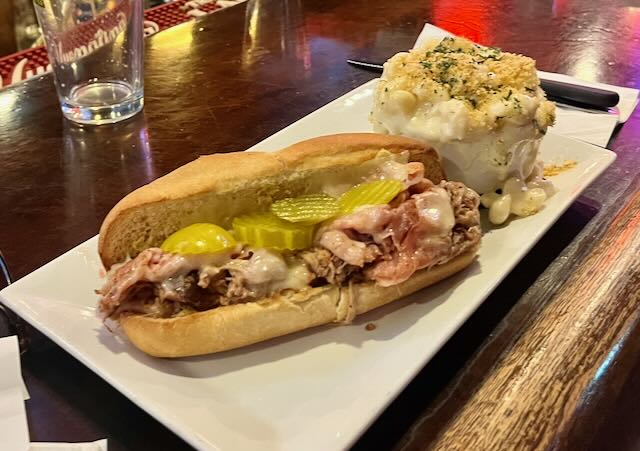
We cycled in the dark about a mile from the motel to Asteroga Ale House in downtown Herkimer NY for bar food.
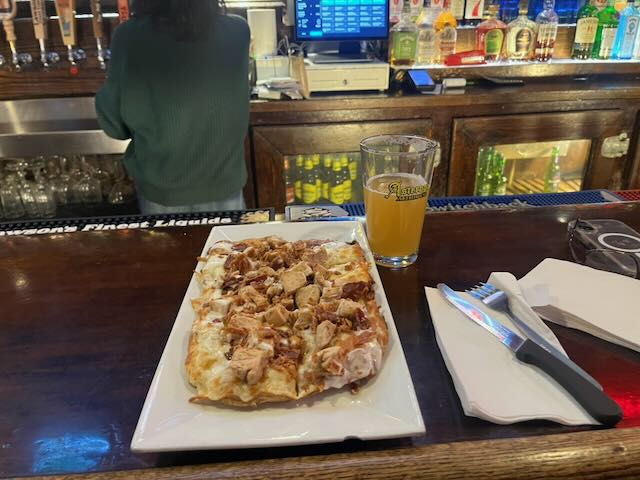
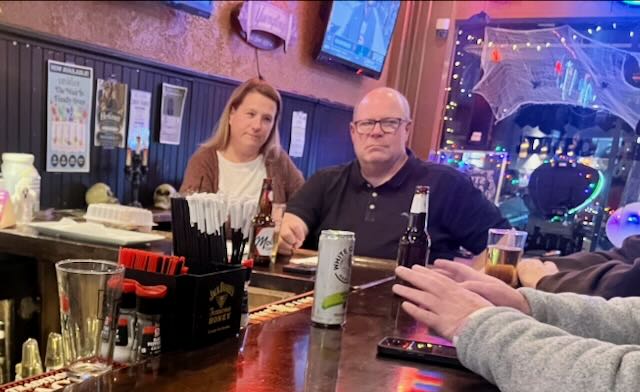
Seated at the bar we somehow started talking about books and reading. A young woman with pulled back blond hair was really into a style called romantasy; combining science fiction in imaginary worlds with racy love stories. She was breathlessly waiting for a new release from some author. I had never heard of “romantasy” but I now know that my Chapel Hill friend’s thirty something daughter is also very into this. It’s a woman thing, I guess. There was a guy and his wife down at the end of the bar. She was from this part of New York State and he was from nearby Quebec. I asked him if he had grown up speaking English or French. He laughed and said “both.”
Lyman and I cycled in the dark back to our Red Roof Inn,
The next morning was another beautiful day as long as we waited until 10:00 AM to starting cycling when the early morning thirties had crept up into the mid-forties, for an afternoon high in the sixties.
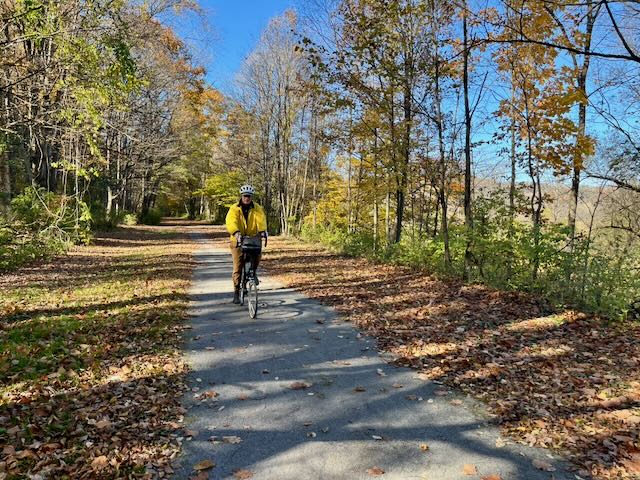
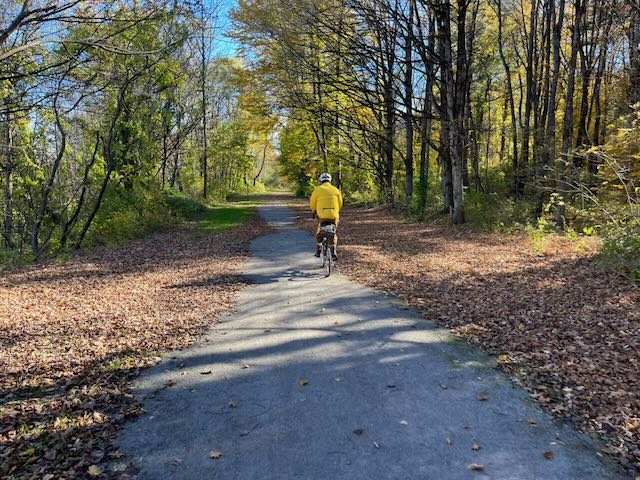
We stopped for coffee in the riverside town of Little Falls NY at renovated nineteenth century brick former textile mills.
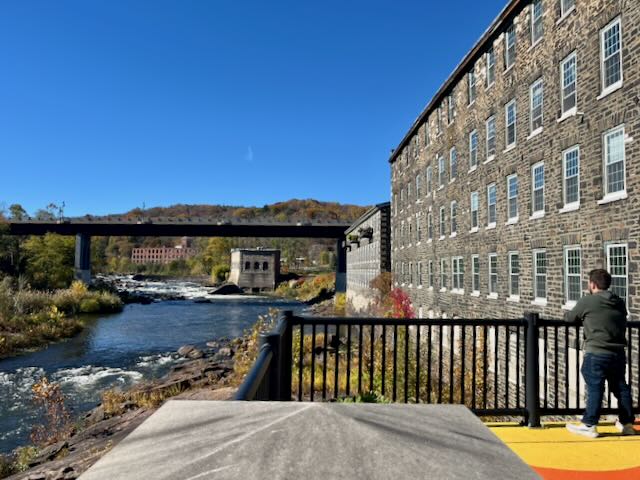
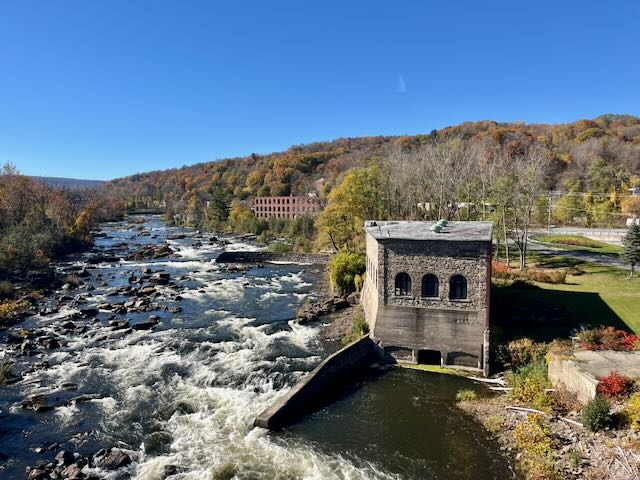
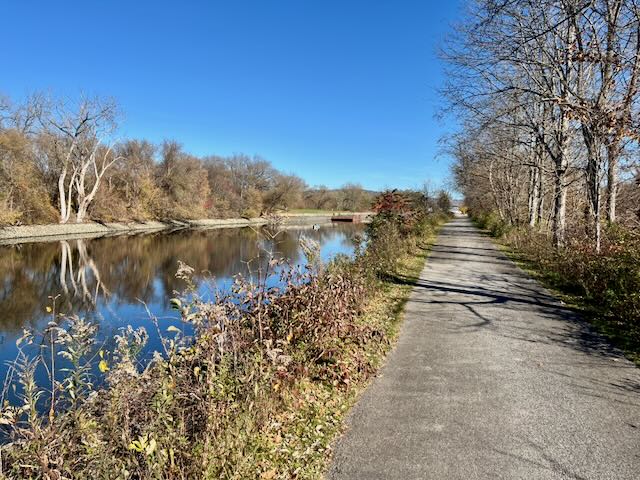
We cycled onward. The cycle path is sometimes on a former rail line, sometimes along a canal, both paralleling the Mohawk River.
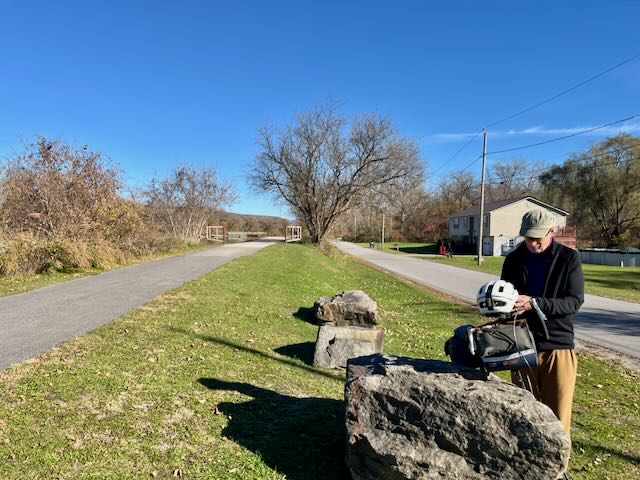
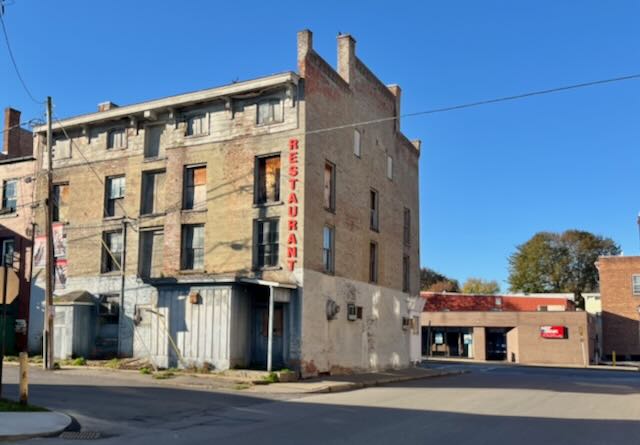
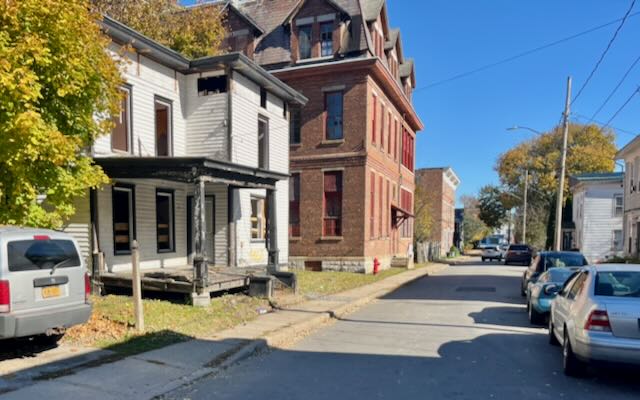
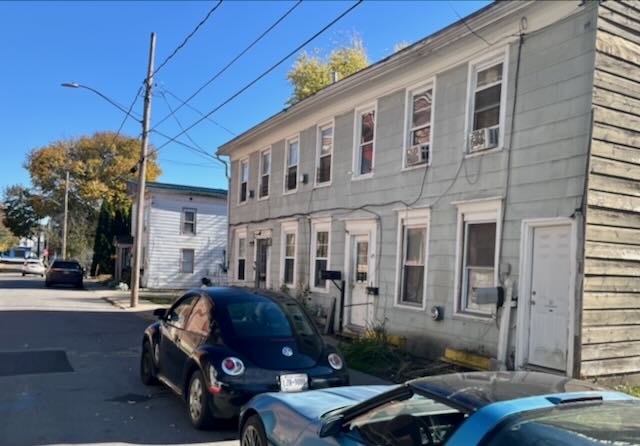
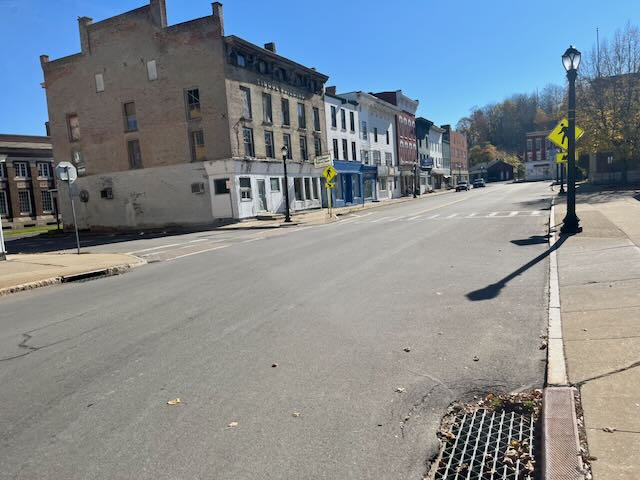
We spent that night at the Airbnb of an entire house in Fort Plain NY, population two thousand, a town seemingly stuck in time, not very prosperous but not depopulated either.
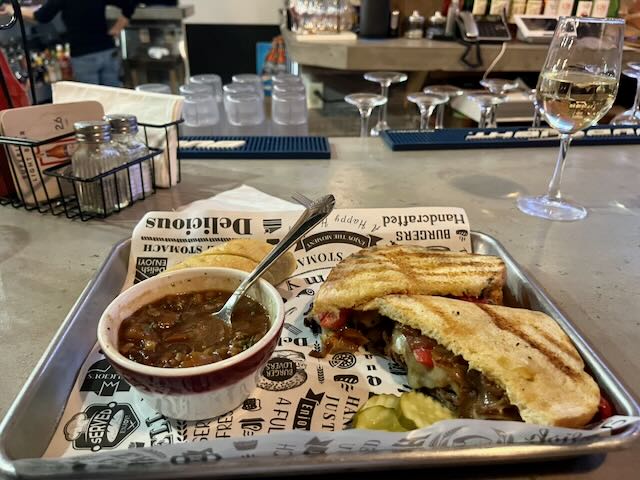
That evening we found eats and drinks downtown at The Station Bar & Grill sitting alongside four or five sixty-something men and women who said they had mostly lived in this town all their lives. They wanted to hear about our bicycle riding. Bean soup and reuben sandwich.
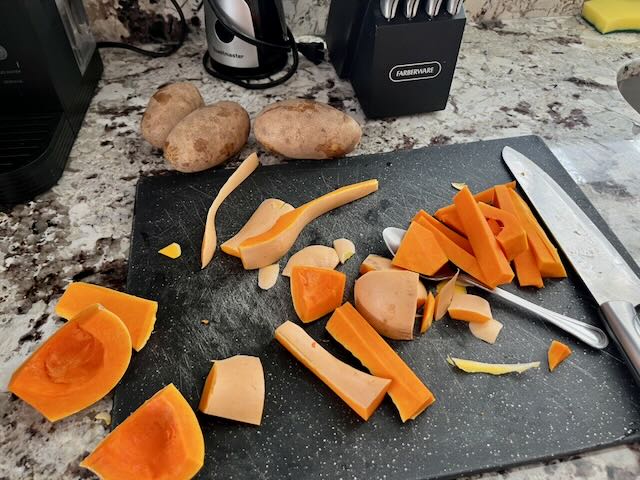
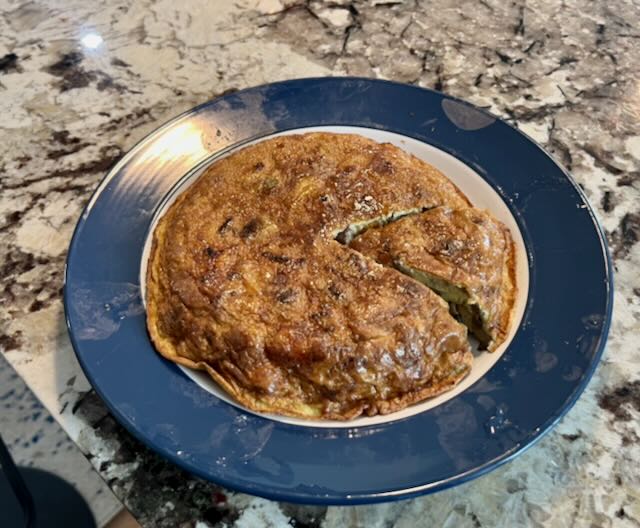
I rarely cook on these cycling trips but since we were staying in a house with a full kitchen and both of us wanted to watch the New Orleans Saints game on TV playing in Paris that morning I got up early and cycled to the Save A Lot grocery. I brought back a dozen eggs, a package of mini-portobello mushrooms, one onion, some russet potatoes, one pound of butter, and the impulse purchase of one butternut squash on sale for a dollar. We ate what we could and left the remaining eggs and butter in the fridge for the cleaning crew. I made a six egg vegetable frittata accompanied by hash browns.
We eventually did start cycling to our day’s destination; forty-five miles to the more substantial city of Schenectady NY. At one spot the marked trail crosses the Mohawk River on an older highway bridge now just for cyclists and pedestrians.
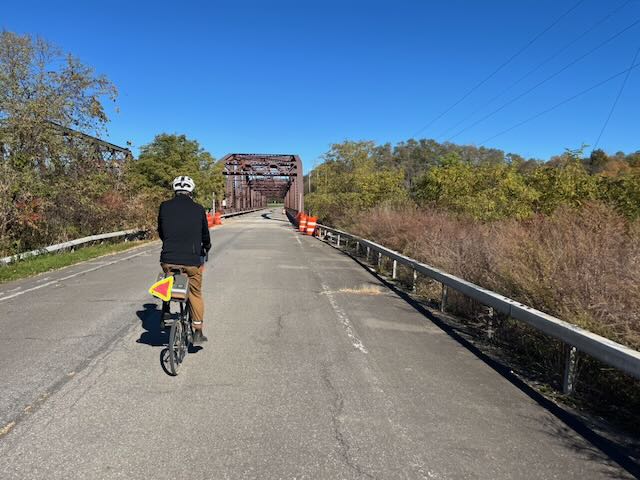
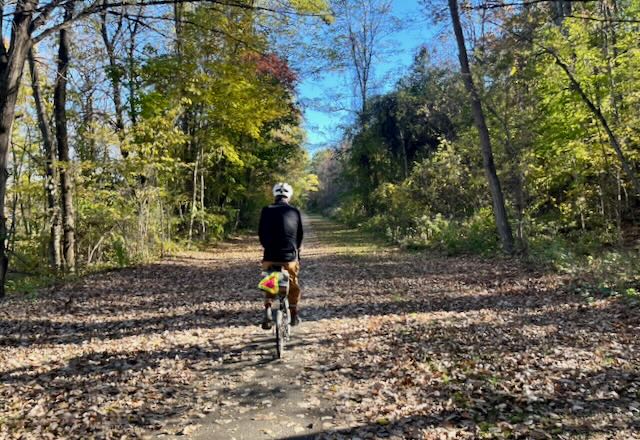
The trail was generally delightful in the fall colors.
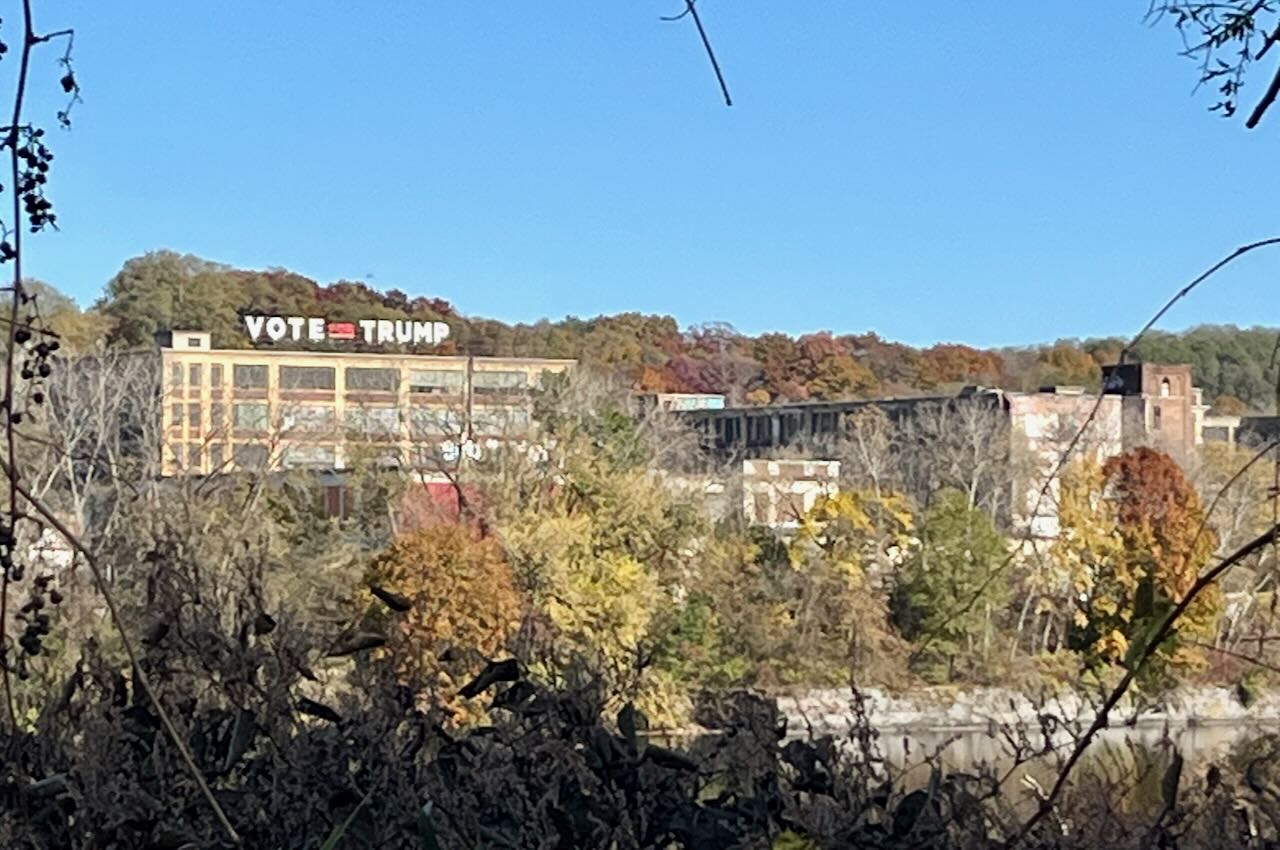
Amsterdam NY once had a prominent textile industry. Its current population is eighteen thousand, slightly less than it was in the year 1900. We did not visit the city proper but saw its downtown from across the Mohawk River where the owner of this likely empty former factory displayed our president’s name in a prominent location. Of course, he is no longer on the ballot and this was about the only Trump sign we saw on this trip,
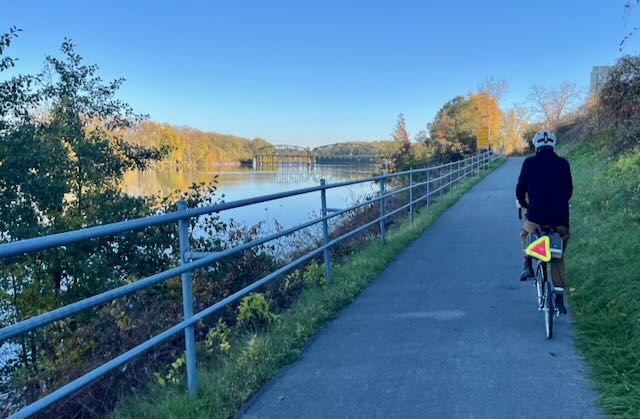
The final eighteen miles into Schenectady had some lovely sections along the Mohawk River.
Schenectady’s population is sixty-seven thousand, down from its peak of ninety-five thousand nearly a hundred years ago in 1930. Schenectady used to be almost a company town for General Electric who as recently as the 1970’s employed about thirty thousand people here. That is now down to about two thousand. Nevertheless, downtown Schenectady shows signs of life. Lyman and I stopped for a beers at a bright and airy local brewery before cycling a few blocks to two rooms of an Airbnb in a nineteenth century house.
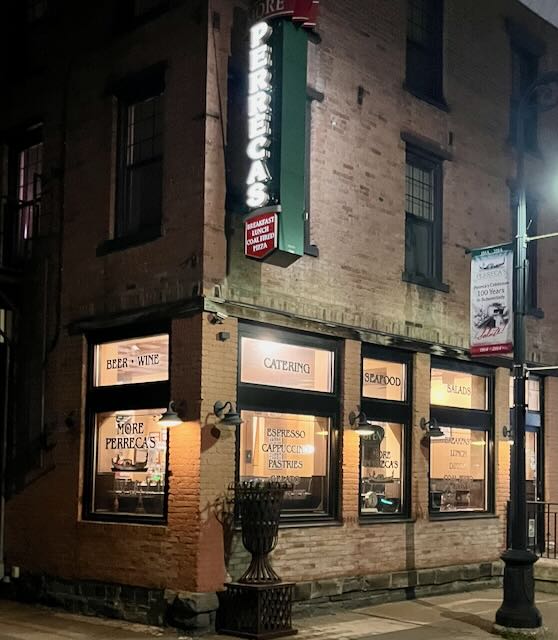
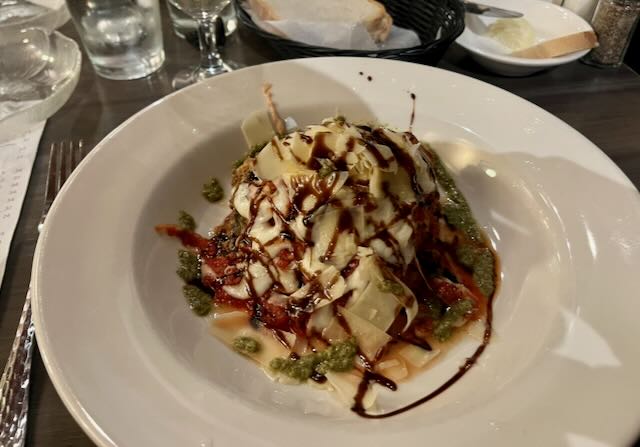
Schenectady has always had a large Italian-American population and I could eat red sauce every night if given the chance. I can’t remember what Lyman ordered but my serving of pasta at the inner city Schenectady restaurant Perecca’s was a delight.
Our final day of cycling was a little over thirty scenic miles to Albany NY on the Canalway Trail as it continues to follow the Mohawk River.
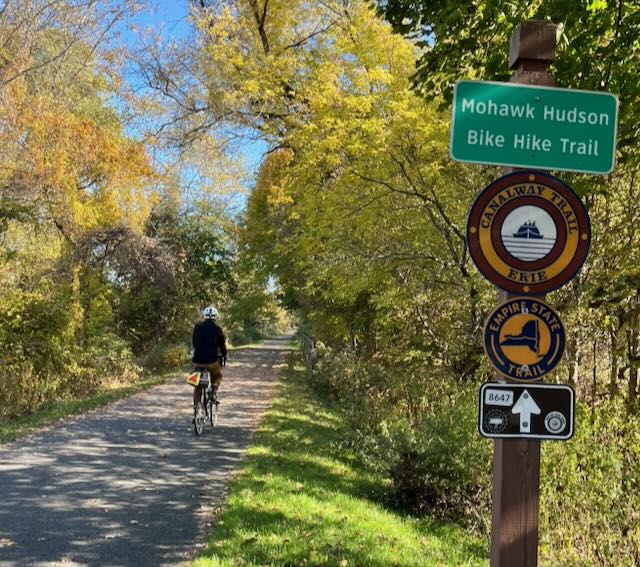
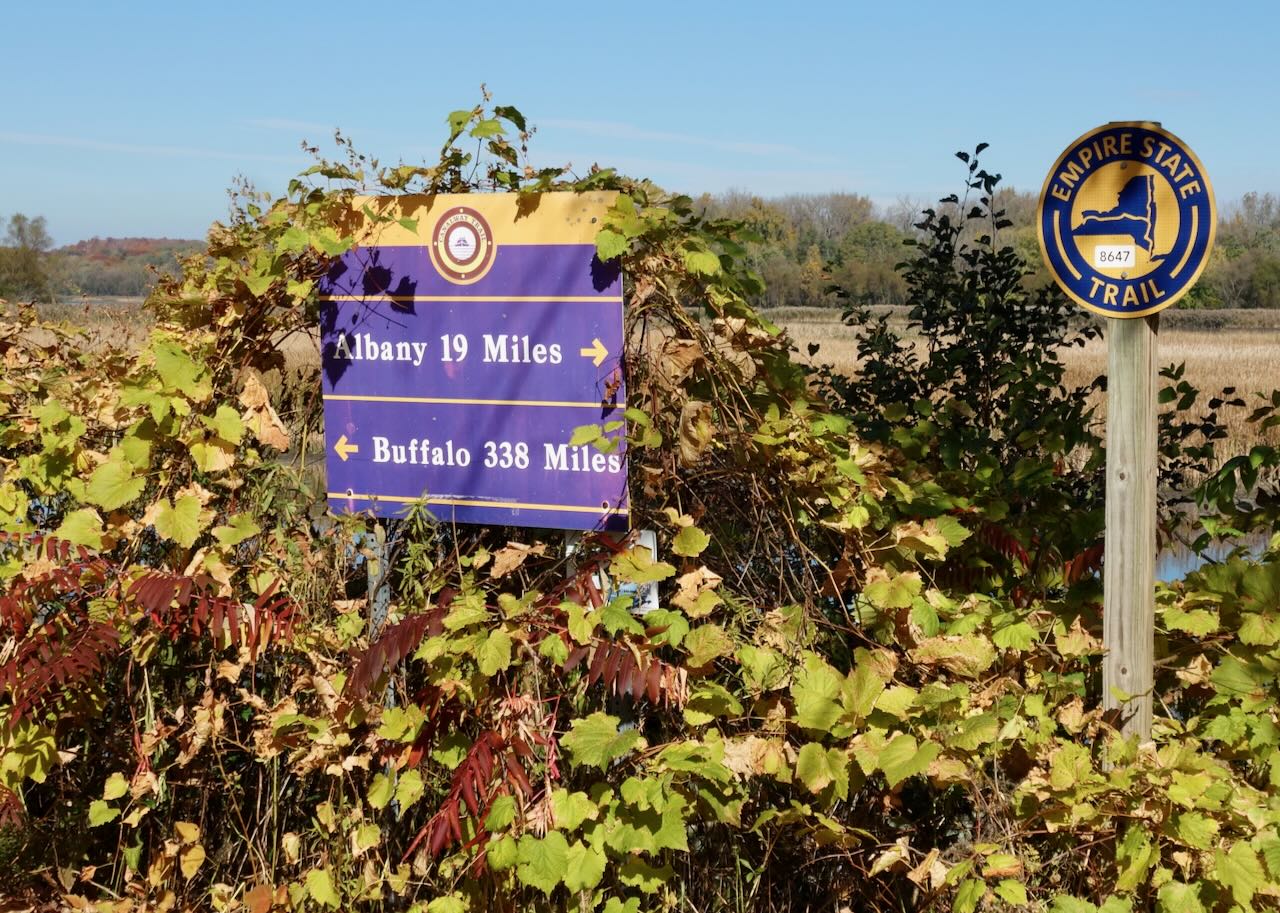
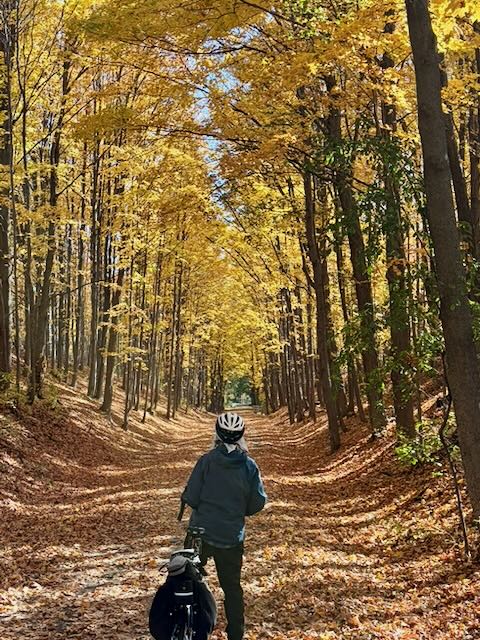
The trail sometimes was completely covered in fallen leaves.
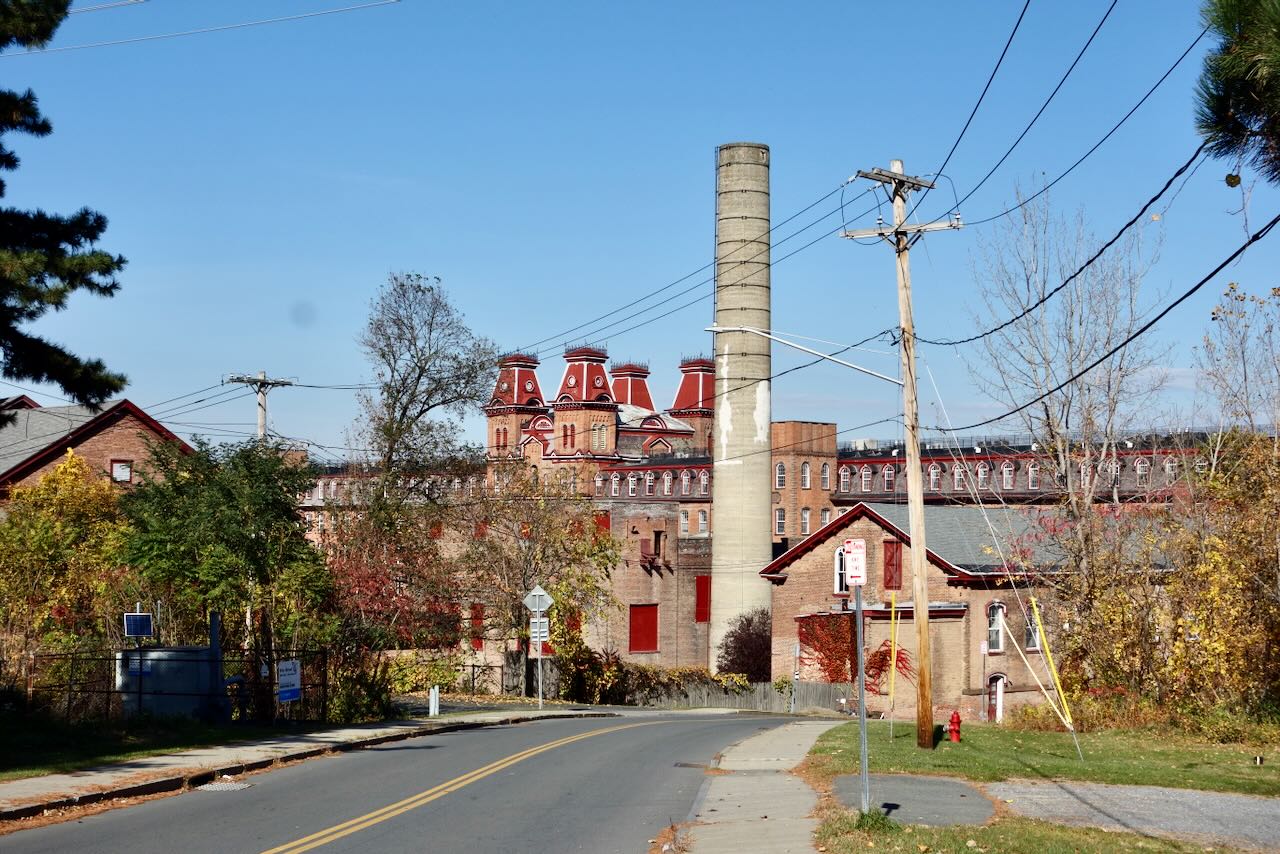
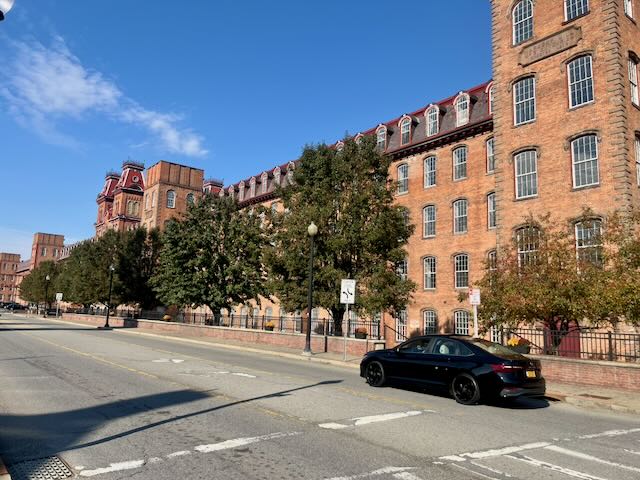
Ten miles north of Albany the Mohawk River joins the Hudson at the nineteenth century mill town of Cohoes NY with its enormous brick former textile mill slowly being repurposed. I had visited this area eighteen years ago and was mildly shocked at the look of Dickensian poverty. It seems today a little less depressed. It’s complicated, I am sure.
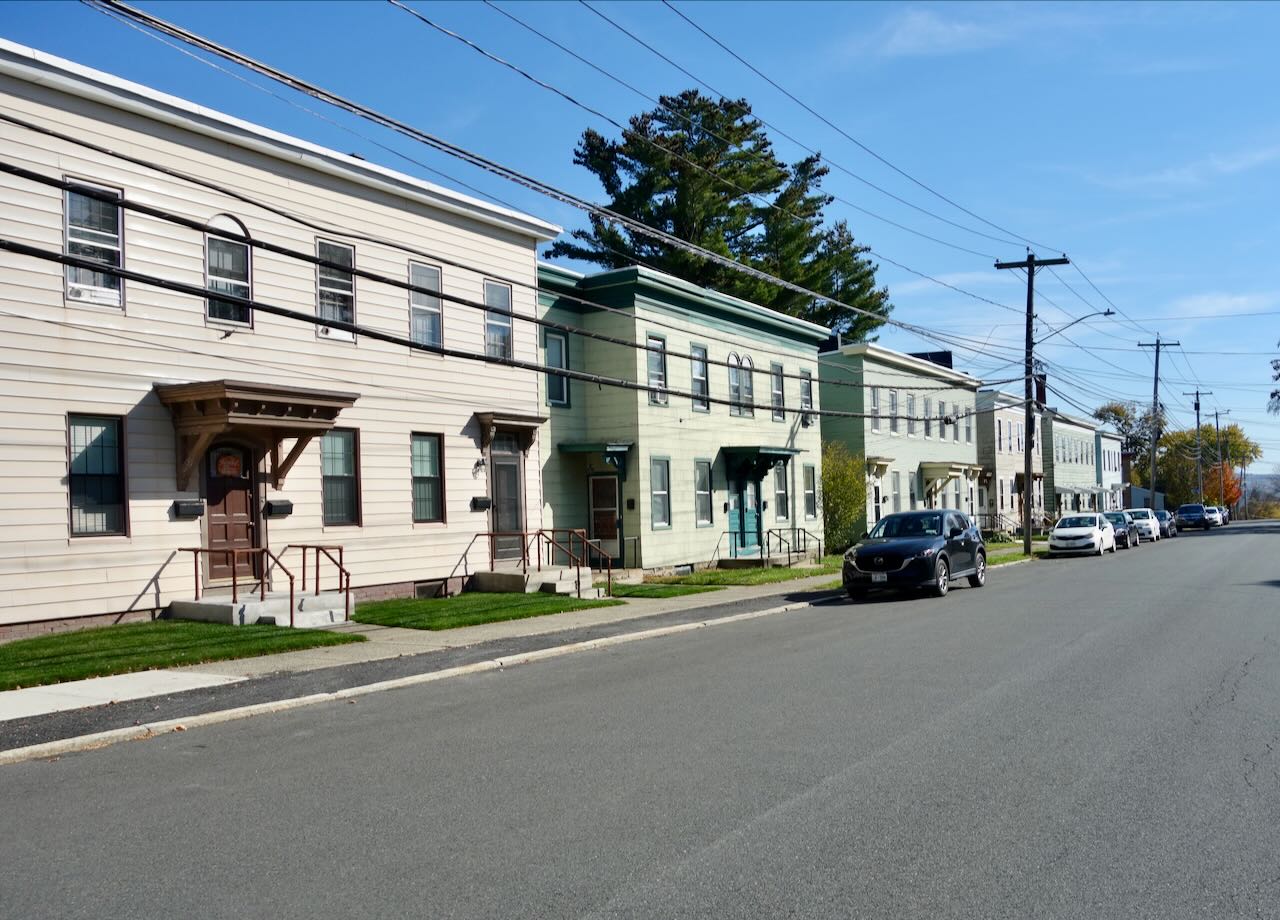
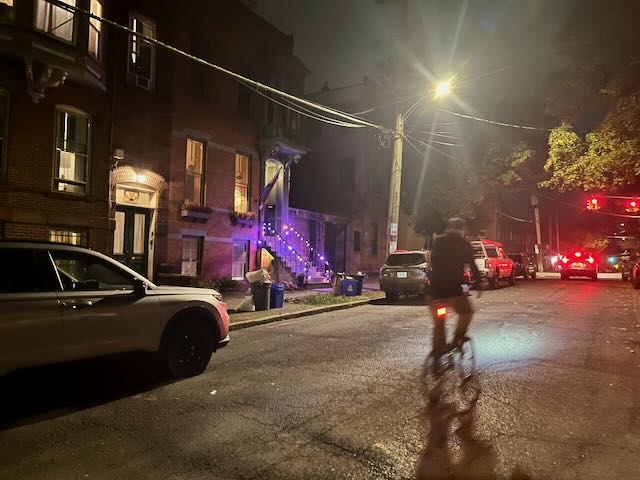
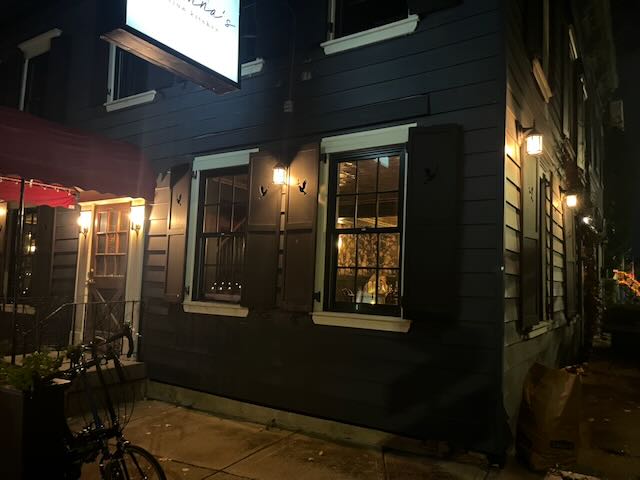
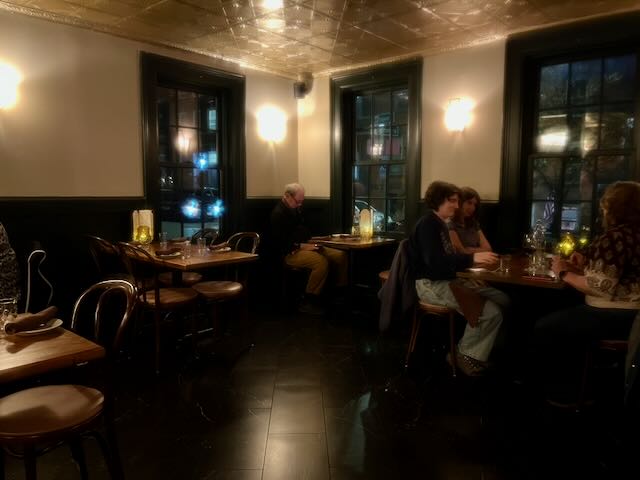
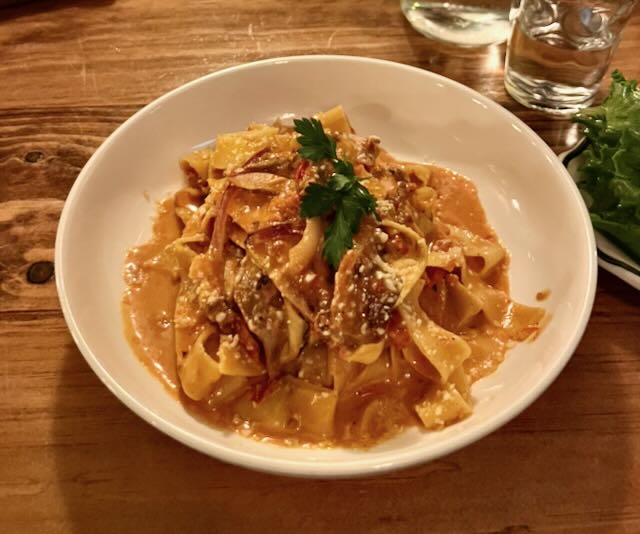
We cycled those last few miles along the Hudson River from Cohoes NY into downtown Albany NY. After five days cycling through depressed small towns Albany felt the prosperous big city. The bicycle suitcases we had Fedexed five days earlier were at our hotel near Albany’s Washington Park, That evening we cycled about a mile in the dark through city streets for delicious pasta at an Italian restaurant called Rosanna’s.
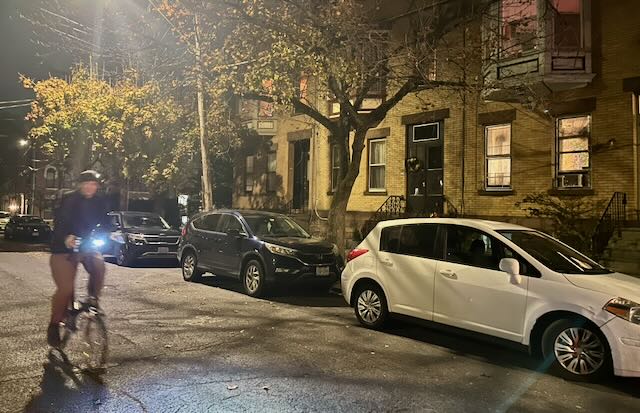
Late that evening we packed the bicycles into their suitcases. We Ubered to the Albany airport the next morning.


Leave a Reply